

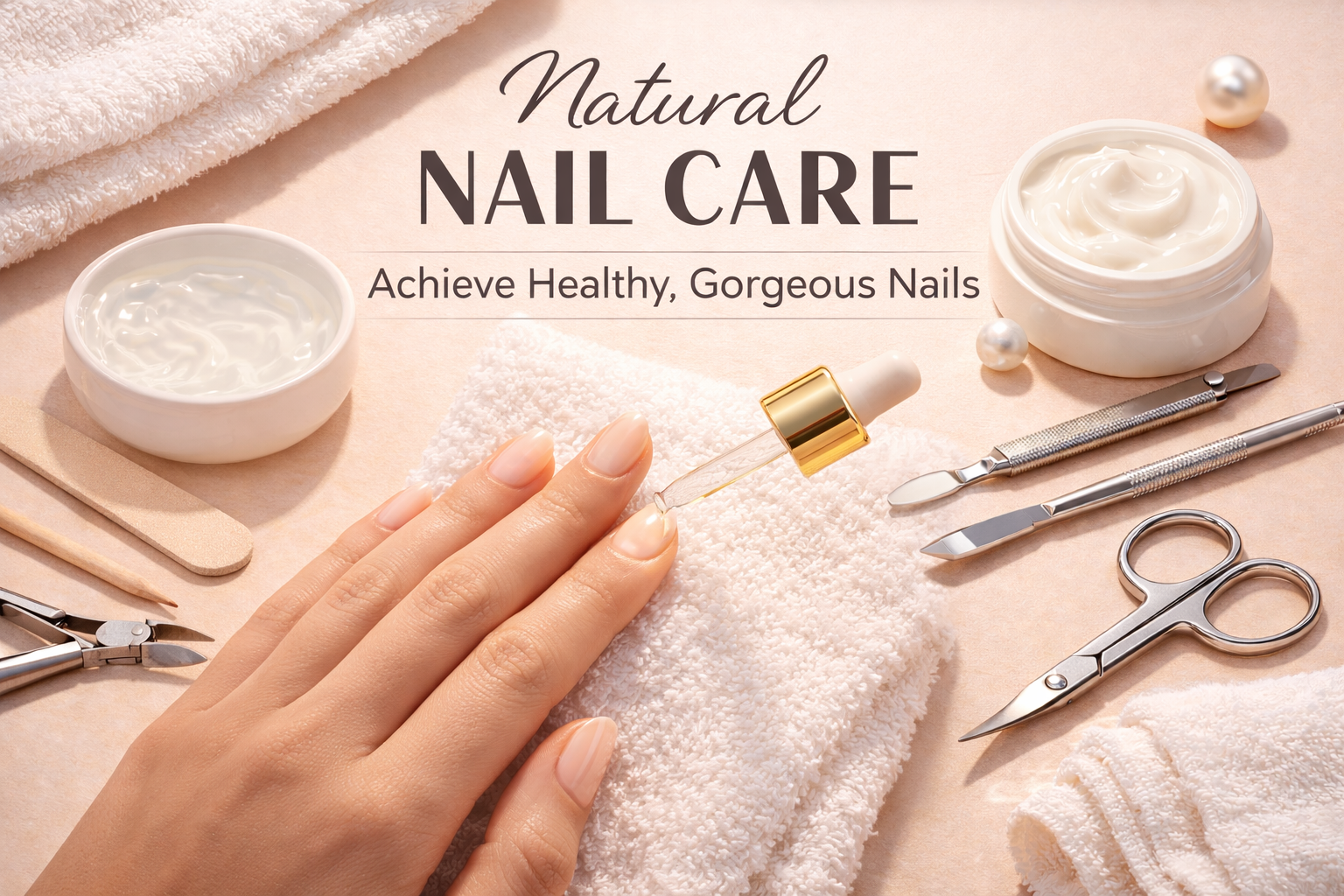
Have you ever looked at your hands and wished for a stronger, more vibrant appearance? We often hide our fingertips behind layers of polish, hoping to mask brittleness or peeling. True beauty starts from within, and your fingertips deserve a routine that celebrates their authentic strength.

Achieving healthy nails requires a shift in perspective. Instead of relying on harsh chemical treatments that offer only temporary results, focus on consistent, gentle habits. This approach builds a resilient foundation that lasts far longer than any salon shortcut.
Embracing natural nails is a journey of patience and care. By prioritizing the health of your nail plate, you unlock a level of elegance that artificial enhancements simply cannot replicate. Let us explore how simple, daily rituals can transform your hands into a source of confidence and pride.
Key Takeaways
- Prioritize the health of the nail plate over temporary aesthetic fixes.
- Consistent, gentle habits yield better long-term results than chemical treatments.
- Patience is the most important tool in your beauty routine.
- Avoid harsh products that strip away essential moisture and strength.
- Focus on building a resilient foundation for lasting beauty.
Understanding the Anatomy of Natural Nails
Before you apply any polish or oil, it is helpful to learn the fascinating science behind your natural nails. Many people view their nails as simple surfaces, but they are actually complex units that require specific care to thrive. By learning how these structures function, you can make better choices for your long-term nail health.

The Role of Keratin in Nail Strength
At the core of every nail is a tough, fibrous protein called keratin. This is the same material that makes up your hair and the outer layer of your skin. Keratin provides the structural integrity needed to protect your sensitive fingertips from daily wear and tear.
When your keratin levels are balanced, your nails remain flexible yet firm. If this protein structure becomes damaged or dehydrated, you may notice peeling or breakage. Maintaining nail health starts with supporting this protein foundation through proper nutrition and hydration.
How Nail Growth Cycles Work
The process of nail growth begins deep within the matrix, which is hidden beneath the cuticle. This is where new cells are constantly produced and pushed forward toward the fingertip. As these cells move, they harden and flatten to form the visible nail plate.
It typically takes several months for a nail to fully replace itself from the cuticle to the free edge. Understanding this timeline helps you set realistic expectations for your journey toward stronger natural nails. Patience is essential, as healthy nail growth is a gradual biological process that cannot be rushed.
| Component | Primary Function | Key Characteristic |
|---|---|---|
| Matrix | Cell Production | Hidden under cuticle |
| Nail Plate | Protection | Visible keratin layer |
| Nail Bed | Support | Provides blood supply |
Essential Habits for Maintaining Natural Nails
Simple changes in your everyday life can transform the appearance and strength of your natural nails. Achieving healthy results does not require a complex routine, but it does demand consistency. By following a few expert nail tips, you can create a protective barrier that keeps your nails resilient and beautiful.

The Importance of Proper Hydration
Hydration is the cornerstone of nail health. Just like your skin, your nails need moisture to remain flexible and prevent brittleness. When the nail plate becomes dehydrated, it loses its natural oils, leading to painful peeling and unsightly cracks.
“True nail health begins with moisture; a hydrated nail is a flexible, unbreakable nail.”
To maintain this balance, consider these essential nail tips for daily hydration:
- Apply a high-quality cuticle oil at least twice a day to lock in moisture.
- Use a non-greasy hand cream immediately after washing your hands.
- Drink plenty of water throughout the day to support hydration from within.
Protecting Nails from Environmental Stressors
Your environment plays a massive role in the condition of your nails. Daily exposure to harsh detergents, hot water, and extreme weather can strip away the natural protective layers of the nail. Being mindful of these stressors is the best way to prevent long-term damage.
You should always wear gloves when performing household chores like washing dishes or cleaning with chemicals. This simple habit acts as a shield against drying agents that weaken the nail structure. Additionally, protecting your hands from cold, dry air during the winter months will help prevent your nails from becoming brittle and prone to breakage.
By integrating these nail tips into your routine, you are investing in the long-term vitality of your hands. Small, deliberate actions today will lead to stronger, healthier nails tomorrow.
The Best Tools for Your Nail Care Kit
The secret to preventing damaged tips often lies in the specific tools you choose for your daily maintenance. Using the wrong equipment can cause microscopic tears that lead to splitting and peeling over time. Proper nail care starts with selecting instruments that respect the delicate structure of your natural nails.
Choosing the Right Files and Buffers
When building your kit, you will encounter various options ranging from traditional emery boards to metal files. While emery boards are common, their coarse grit can be too abrasive for thin or brittle nails. Metal files are often too harsh, frequently causing the edges of the nail to fray rather than smooth out.
To maintain optimal nail health, consider these essential features when shopping for your tools:
- Fine-grit buffers: Use these to gently smooth the surface without thinning the nail plate.
- Ergonomic handles: These provide better control, which helps prevent accidental slips.
- Washable materials: Keeping your tools clean is vital to prevent bacterial growth.
Why Glass Files Are Superior for Nail Health
Many experts now consider glass or crystal files to be the gold standard for home manicures. Unlike traditional boards that tear the nail edge, a high-quality glass file creates a clean, precise finish. This process effectively seals the keratin layers at the edge of the nail, which prevents moisture loss and future splitting.
Because they do not wear down as quickly as paper-based files, glass options are a smart investment for your long-term nail care routine. They provide a smooth, consistent filing surface that remains effective for years. By switching to these tools, you take a foundational step toward achieving professional-grade nail health from the comfort of your own home.
Nourishing Your Nails from the Inside Out
Achieving healthy nails requires a focus on internal nutrition that goes beyond surface-level treatments. While creams and oils provide protection, the true strength of your nail plate is determined by the nutrients you consume daily. By fueling your body with the right building blocks, you create the perfect environment for long-term vitality.
Key Vitamins and Minerals for Nail Growth
Specific nutrients are essential for supporting consistent nail growth and structural integrity. Biotin, a B-vitamin, is widely recognized for its ability to strengthen the keratin infrastructure of your nails. Additionally, minerals like zinc and iron play a critical role in preventing weakness and thinning.
Incorporating a balanced diet rich in leafy greens, nuts, and lean proteins ensures your body has the resources it needs. When you prioritize these nutrients, you are investing in healthy nails that are less likely to break or peel under pressure.
The Impact of Hydration on Flexibility
Systemic hydration is just as important as nutrition when it comes to maintaining the flexibility of your nails. When your body is well-hydrated, your nails retain the moisture necessary to bend without snapping. Dehydration, conversely, leads to brittle plates that are prone to cracking at the slightest impact.
Drinking enough water throughout the day supports the natural moisture balance of your nail beds. This simple habit is a cornerstone of effective nail growth strategies. By staying hydrated, you ensure your nails remain resilient, flexible, and ready to withstand the challenges of your daily routine.
Mastering the Art of Gentle Nail Maintenance
Achieving salon-quality results at home starts with mastering the art of gentle nail maintenance. By treating your hands with kindness, you avoid the common pitfalls that lead to weakened or damaged nail plates. This shift in perspective turns a routine chore into a restorative self-care practice that you can look forward to each week.
Safe Techniques for Trimming and Shaping
When it comes to trimming, always use sharp, high-quality clippers to ensure a clean cut without crushing the nail. Avoid cutting too close to the skin, as this can lead to painful hangnails or potential infections. Precision is key to keeping your nails healthy and strong.
Shaping is equally important for maintaining structural integrity. Always file your nails in one direction rather than using a back-and-forth sawing motion. This simple change prevents the layers of the nail from separating, which is a frequent cause of peeling and breakage.
Avoiding Harsh Chemicals in Nail Products
The health of your nails depends heavily on the quality of the nail products you choose to use. Many conventional polishes and treatments contain aggressive ingredients like formaldehyde, toluene, and dibutyl phthalate. These chemicals can strip away natural oils and cause significant dehydration to the nail plate.
Instead, look for “free-from” labels that indicate the absence of these toxic substances. Choosing gentler nail products allows your nails to breathe and retain their natural flexibility. By being mindful of what you apply, you protect your nails from unnecessary stress and keep them looking their best.
The Truth About Natural Nails and Professional Manicures
Achieving beautiful natural nails often requires undoing the damage caused by aggressive professional treatments. While salon visits are meant to be a relaxing treat, some common techniques can leave your nail plates thin, peeling, or painful. Understanding what happens during your appointment is the first step toward protecting your long-term nail health.
Identifying Damaging Salon Practices
The most frequent culprit behind damaged nails is the improper removal of gel or acrylic enhancements. If a technician uses an electric file to aggressively buff away product, they often remove layers of your actual nail plate along with the polish. This over-filing weakens the structure of your nails, making them prone to breakage and sensitivity.
Another red flag is the use of metal tools to pry off hardened gel or acrylic. This action forces the product to lift, which inevitably tears away the top surface of your natural nails. Always look for salons that prioritize soaking methods or gentle hand-filing to ensure your nail beds remain intact and healthy.
How to Transition Back to Natural Nails
If your nails are currently recovering from damage, the most important tool you have is patience. You must allow the damaged portion of the nail to grow out completely, which can take several months. During this time, keep your nails trimmed short to prevent snagging or further splitting.
Focus on a consistent hydration routine to support the new growth emerging from the cuticle. Using high-quality cuticle oils daily will help keep the surrounding skin supple and encourage stronger natural nails to emerge. By choosing to skip harsh enhancements for a season, you give your body the time it needs to restore the strength and flexibility of your natural nails.
Effective Moisturizing Routines for Cuticle Health
Healthy cuticles act as a vital seal for your nail matrix, protecting it from damage. When this barrier remains intact, your nails are far more likely to grow strong and resilient. Prioritizing consistent hydration is the most effective way to improve the overall appearance of your hands.
Selecting Organic Oils for Daily Application
To maintain supple skin, you should look for high-quality, natural products. Organic oils are excellent for this purpose because they contain small molecules that penetrate the nail plate effectively. Jojoba oil is a top choice because its structure closely mimics the natural sebum produced by your skin.
Almond oil is another fantastic option for those seeking organic nails. It is rich in vitamin E, which helps soothe inflammation and keeps the skin around your nails soft. Applying these oils daily is a simple yet powerful step in your overall nail care regimen.
The Benefits of Nightly Hand and Nail Treatments
Establishing a nightly routine allows your skin to absorb nutrients without the interference of daily activities. By applying a rich oil or balm before bed, you create a protective barrier that locks in moisture while you sleep. This practice is essential for preventing painful hangnails and stubborn dryness.
Consistency is the key to seeing real results in your nail care journey. Over time, this nightly habit will significantly improve the flexibility of your nails, making them less prone to breakage. Embracing these gentle, natural methods will help you achieve the healthy, beautiful look you desire for your organic nails.
Common Nail Problems and How to Solve Them
Dealing with brittle, peeling, or discolored nails can be frustrating, but natural solutions are often within reach. Even with a dedicated routine, your nail health may occasionally face unexpected challenges that require a shift in your approach. By identifying the root cause, you can effectively restore your nails to their best state.
Addressing Brittle or Peeling Nails
Brittle nails often signal a lack of moisture or excessive exposure to harsh detergents. To combat this, consistently apply organic jojoba or almond oil to your nail beds every night. This simple habit locks in hydration and improves the overall flexibility of the nail plate.
You should also limit your time in water, as frequent soaking causes the nail cells to expand and contract. When cleaning or washing dishes, wearing gloves is a highly recommended practice to protect your nail health from unnecessary stress.
Managing Ridges and Discoloration Naturally
Vertical ridges are a common part of the aging process, but they can also indicate nutritional gaps. Instead of using harsh chemicals to hide them, focus on gentle exfoliation with a fine-grit glass buffer. This process smooths the surface without thinning the nail, promoting better nail health over time.
Discoloration often stems from dark-pigmented polishes or environmental exposure. You can brighten your nails by soaking them in a mixture of warm water and a splash of lemon juice. This natural remedy acts as a mild cleanser, helping to restore a healthy, clear appearance to your nails.
| Problem | Primary Cause | Natural Solution |
|---|---|---|
| Brittleness | Dehydration | Daily oil application |
| Peeling | Water damage | Wear protective gloves |
| Ridges | Aging or diet | Gentle glass buffing |
| Discoloration | Staining products | Lemon juice soak |
The Role of Diet in Achieving Healthy Nails
What you put on your plate has a direct impact on the strength and appearance of your healthy nails. Your body relies on a steady supply of nutrients to produce keratin, the primary protein that forms the structure of your nail plate. By focusing on a balanced diet, you provide the essential building blocks needed for growth and resilience.
Protein-Rich Foods for Stronger Nails
Since nails are composed of keratin, consuming adequate protein is absolutely vital for maintaining their structural integrity. When your diet lacks sufficient protein, your body may prioritize other functions, often leaving your nails brittle or prone to peeling. Incorporating high-quality protein sources ensures your body has the amino acids required to repair and strengthen your nail beds.
Consider adding lean meats, eggs, and legumes to your daily meals to support healthy nails. These foods provide the necessary fuel to keep your nails from becoming weak or thin over time.
Incorporating Biotin and Omega-3 Fatty Acids
Beyond protein, specific micronutrients and healthy fats play a crucial role in your overall nail health. Biotin, a B-vitamin, is widely recognized for its ability to improve nail thickness and prevent splitting. Meanwhile, omega-3 fatty acids are essential for maintaining the moisture barrier of the nail bed, which keeps them flexible rather than dry and brittle.
You can easily boost your intake by choosing nutrient-dense options that support healthy nails from the inside out. The following table outlines key nutrients and their best food sources to help you plan your meals effectively.
| Nutrient | Primary Benefit | Best Food Sources |
|---|---|---|
| Protein | Structural Strength | Chicken, Lentils, Eggs |
| Biotin | Thickness & Growth | Almonds, Sweet Potatoes, Salmon |
| Omega-3s | Moisture Retention | Walnuts, Chia Seeds, Flaxseed |
| Zinc | Cell Regeneration | Pumpkin Seeds, Oysters, Beef |
By consistently choosing these foods, you create a strong foundation for long-term vitality. A nutrient-rich diet is the most effective way to ensure your nails remain strong, smooth, and beautiful throughout the year.
Safe Alternatives to Traditional Nail Polish
You can enjoy vibrant nail colors without compromising your long-term nail health. Many conventional nail products contain harsh chemicals that strip moisture and leave your nails brittle over time. By making a conscious switch to cleaner formulas, you protect your natural nail bed while still expressing your unique style.
Understanding Non-Toxic and Organic Nail Options
The beauty industry has evolved to offer high-quality organic nails solutions that perform just as well as traditional lacquers. These modern formulas are often labeled as “5-free,” “10-free,” or even higher, meaning they exclude common toxins like formaldehyde, toluene, and dibutyl phthalate. Choosing these safer alternatives ensures that your manicure routine supports rather than hinders your nail growth goals.
When shopping for new items, look for brands that prioritize plant-based ingredients and sustainable manufacturing. These products often incorporate nourishing additives like vitamin E or calcium to provide extra care while you wear your favorite shade. Investing in quality nail products is a simple way to reduce your daily exposure to synthetic irritants.
How to Properly Remove Polish Without Drying
The removal process is often where the most damage occurs to the nail plate. Traditional removers rely on harsh acetone, which aggressively strips away natural oils and leaves the surface dry and prone to peeling. Instead, opt for an acetone-free remover that utilizes gentle solvents or natural oils to dissolve color without causing dehydration.
To maintain healthy nails, follow these simple steps during your next manicure change:
- Saturate a cotton pad with your non-toxic remover.
- Press the pad firmly against the nail for thirty seconds to allow the polish to soften.
- Gently slide the color off in one motion rather than scrubbing back and forth.
- Apply a nourishing cuticle oil immediately after to restore hydration.
| Feature | Traditional Polish | Non-Toxic Polish |
|---|---|---|
| Chemical Content | High (Formaldehyde/Toluene) | Low or None |
| Nail Impact | Drying and Brittle | Hydrating and Protective |
| Removal Process | Harsh Acetone | Gentle Oil-Based |
Seasonal Care Tips for Your Natural Nails
Seasonal shifts bring unique challenges that require specific adjustments to your nail care habits. Environmental factors like temperature and humidity levels directly influence the structural integrity of your natural nails. By staying ahead of these changes, you can ensure your hands remain in peak condition all year long.
Protecting Nails During Cold Winter Months
Winter air is notoriously dry, which strips moisture from your nail plate and surrounding skin. Indoor heating systems further exacerbate this issue, often leading to brittle edges and painful cracking. To combat this, focus on intense hydration by applying thick, emollient-rich creams every night.
Wearing gloves when you step outside is one of the most effective nail tips for preventing cold-weather damage. The barrier provided by gloves protects your nails from freezing temperatures and harsh winds. Consistency is key to maintaining strength during these harsh months.
“Consistency in your moisturizing routine is the secret weapon for resilient nails, regardless of the season.”
Adjusting Your Routine for Summer Humidity
When summer arrives, the increase in humidity can cause your nails to become overly soft or flexible. While moisture is generally good, too much can weaken the nail structure and increase the risk of fungal growth. It is important to keep your nails clean and dry, especially after swimming or heavy perspiration.
During the warmer months, you should prioritize shorter lengths to prevent snagging and breakage. Using a breathable, non-toxic base coat can also provide a protective shield against environmental pollutants. Follow this quick guide to keep your routine on track throughout the year:
| Season | Primary Challenge | Recommended Action |
|---|---|---|
| Winter | Dryness and Cracking | Apply heavy cuticle oil |
| Spring | Transition Stress | Gentle buffing and filing |
| Summer | Excessive Softness | Keep nails short and dry |
| Autumn | Brittle Texture | Increase protein intake |
Conclusion
Achieving healthy, gorgeous nails is a journey that rewards consistency, patience, and a gentle touch. You hold the power to transform your hands by committing to a routine that prioritizes long-term vitality over quick fixes.
Consistent nail maintenance serves as the foundation for strong, resilient growth. By integrating proper nutrition with protective habits, you create an environment where your nails can thrive without the need for harsh chemicals or damaging salon treatments.
Brands like Ella+Mila or Zoya offer excellent non-toxic options that support your goals. Using high-quality glass files and organic cuticle oils will keep your hands looking polished and vibrant every single day.
True beauty comes from understanding the unique needs of your body. When you view nail maintenance as a holistic practice, you move beyond simple aesthetics to support your overall well-being.
Start your journey today by choosing one small habit to improve. Share your progress with friends or join online communities to stay motivated on your path to stronger, more beautiful nails.
FAQ
How long does it actually take to see real results in my nail growth?
Patience is key when it comes to nail health. Because your nails are primarily composed of a protein called keratin, they grow at a slow and steady pace. On average, it takes several months for a nail to fully replace itself from the cuticle to the free edge. By maintaining consistent nail care habits and using nourishing treatments like CND SolarOil, you will begin to see a noticeable improvement in strength and resilience within one full growth cycle.
Why are glass files considered superior for maintaining natural nails?
Unlike traditional emery boards or metal files that can cause microscopic tears and lead to peeling, high-quality glass files (such as those from Bona Fide Beauty) seal the keratin layers together as you file. This prevents the edges from fraying and keeps your natural nails smooth and strong. It is one of the most essential nail tips for anyone looking to prevent splitting and maintain the structural integrity of their nail plate.
What are the best nail products to use when transitioning away from gel or acrylic enhancements?
Transitioning back to organic nails after aggressive salon treatments requires a focus on recovery. We recommend using restorative nail products like OPI Repair Mode, which helps rebuild the nail bonds from within. Avoid harsh chemicals like formaldehyde and toluene, and instead, look for “10-free” or “12-free” polishes from brands like Zoya or Kure Bazaar to ensure your nail maintenance routine remains gentle and non-toxic.
Which specific nutrients should I include in my diet for healthy nails?
True nail health starts from the inside out. Incorporating Biotin, Zinc, and Omega-3 fatty acids into your daily meals provides the building blocks for healthy nails. Protein-rich foods are also vital since they support the production of keratin. If you struggle to get enough through diet alone, high-quality supplements can provide the extra support needed for optimal nail growth and flexibility.
How can I protect my natural nails from environmental stressors like cold weather or water?
Environmental factors can strip moisture from the nail plate, making it brittle. To protect your natural nails, always wear gloves when doing dishes or using harsh cleaning detergents. During the winter, the dry air can be particularly damaging, so frequent application of an organic moisturizer, such as Burt’s Bees Lemon Butter Cuticle Cream, is essential for preventing cracks and maintaining suppleness.
Are there any specific nail tips for managing ridges and discoloration naturally?
Ridges are often a sign of aging or a lack of moisture, while discoloration can stem from wearing dark polishes without a base coat. To manage these issues, use a gentle buffer sparingly and prioritize hydration with jojoba oil. For a natural brightening effect, look for clean nail products like the Deborah Lippmann “Addicted to Speed” top coat, which provides a high-shine finish without the yellowing effects of traditional chemical-heavy brands.
What is the most effective nightly routine for nail maintenance?
A nightly routine is the perfect time to lock in moisture while your body repairs itself. Start by applying a generous amount of an organic oil—jojoba or sweet almond oil are fantastic choices—to your cuticles and the underside of the free edge. Following up with a thick hand cream ensures your healthy nails stay hydrated and flexible, significantly reducing the risk of snapping or peeling the following day.