

Afrohemian Decor brings together the earthy vibrance of African craft and the relaxed, expressive style of bohemian design to create homes that feel authentic, soulful, and layered. Whether you’re refreshing a single room or curating your entire home, this growing trend is about more than just mixing prints—it’s about meaningful objects, real stories, and a balance between relaxed and rooted.
Key Takeaways
- Afrohemian Decor is forecast as a top interior trend, driven by natural materials, artisan pieces, and bolder color palettes.
- The biggest challenge is balancing style and authenticity while preventing visual clutter or superficial design.
- Ethically sourced pieces can be costly, but well-chosen items serve as cultural centerpieces for any home.
- What Is Afrohemian Decor? The Core Concept
- How to Get the Afrohemian Look: Step-by-Step Guide
- Advanced Analysis & Common Pitfalls
- Conclusion
- Frequently Asked Questions
What Is Afrohemian Decor? The Core Concept
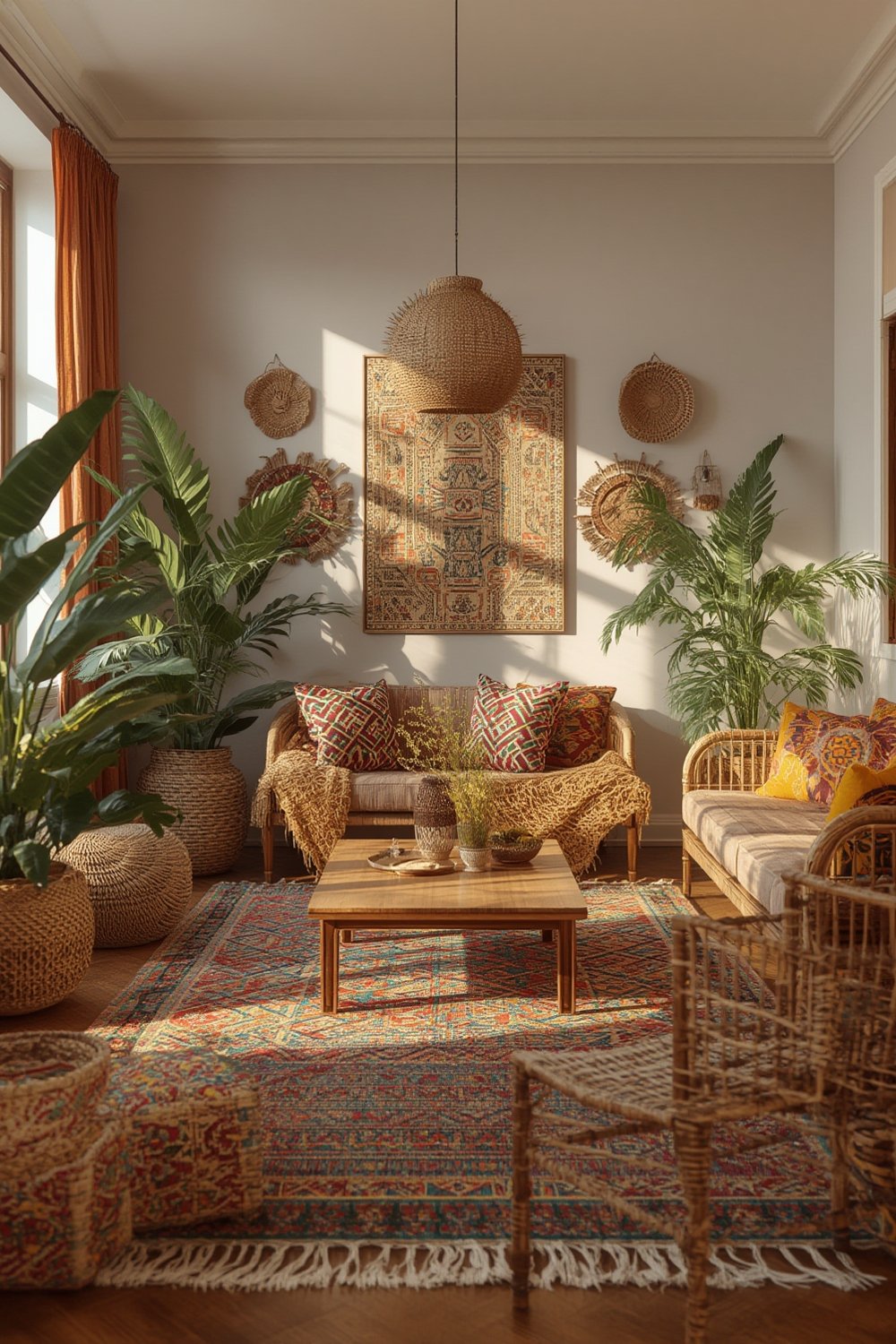
Afrohemian decor is the intentional fusion of traditional African artistry and bohemian spirit. Rather than just “African-inspired boho,” true Afrohemian spaces balance cultural heritage, creative self-expression, and eco-conscious choices. The palette leans toward sunbaked ochre, deep browns, olive, and rich jewel tones. Materials include handwoven Ghanaian baskets, carved wood stools, and natural fiber rugs, with statement-making patterns like Kuba cloth and tribal geometrics. These elements anchor spaces with warmth and soul, avoiding the generic or over-styled look. As reported by Apartment Therapy and Pinterest’s home design trend forecast for 2026, searches for “African boho living room” and “Afro chic home decor” have surged—especially among Boomers and Gen X—pointing to a broader appetite for meaningful, globally rooted interior design.
How to Get the Afrohemian Look: Step-by-Step Guide
Bringing Afrohemian decor into your home is less about rules and more about thoughtful curation. Here’s how to do it realistically, even on a budget:
- Start with a grounded palette: Build your base with sunbaked earth tones—ochre, clay, deep brown, and olive. Add balance using sand or black. For 2024, try a pop of “Peach Fuzz” or a jewel tone accent (see real examples).
- Embrace meaningful patterns: Rotate between statement African textiles—like Kuba cloth wall hangings, Nigerian tie-dye throws, or geometric pillows—paired with simpler, neutral backdrops to maintain visual balance.
- Invest in at least one artisan-crafted piece: Prioritize authenticity with items like woven baskets from Ghana, a Binga wall piece, or a sculptural wood stool sourced from transparent retailers such as 54kibo or Goodee. An ethical basket may run $66-$129, while hand-carved furniture is a bigger investment, sometimes $600+ (learn more on pricing).
- Layer natural textures and fiber: Combine woven baskets, rattan lighting, sisal rugs, and tactile throws to build depth—without veering into clutter.
- Include plants: The plant-forward trend is essential; leafy greens in handmade clay pots keep things lively and organic. Consider referencing this guide to Afrohemian plant styling.
- Upcycle with intent: Transform outdated furniture by reupholstering in African prints, or stain a thrifted wood coffee table for a fresh, grounded feel (see budget-friendly renovation tips).
- Use oversized art and sculptural forms: Overscale art or a chunky drum side table adds drama and anchors the space—just one or two bold elements can transform a room.
- Finish with storyteller accessories: Curate smaller pieces—recycled glass beads, hand-thrown ceramics, or artisanal coasters—to give depth and authenticity.
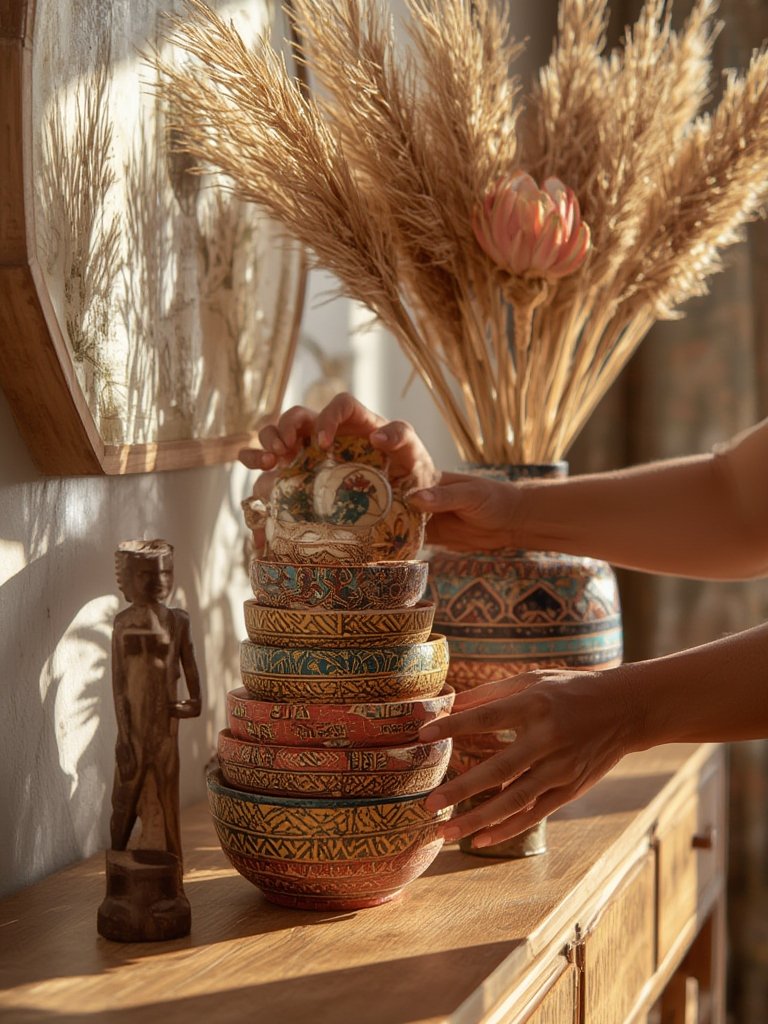
Once your main elements are placed, step back and edit. Afrohemian style should feel rich but not crowded. Make use of natural light to amplify colors and create a lived-in, welcoming vibe. Integrate your home office effortlessly by blending in natural textures, African art, and woven desk accessories for an inspiring hybrid workspace.
Advanced Analysis & Common Pitfalls
While Afrohemian decor is inspirational, many people encounter recurring problems:
- Going overboard: It’s easy to over-accessorize and lose the sense of calm. Boho clutter can clash with the intention of grounded Afro craft.
- Lack of authenticity: Mass-produced “tribal”-inspired products often feel shallow and don’t support artisan communities.
- Cost surprise: Ethically sourced African heritage furniture can be expensive. Without a plan, room makeovers exceed budget fast, especially when compared to big box decor.
- Mismatched color harmony: Pairing too many bright hues, or clashing jewel tones and earth shades, can create a disjointed atmosphere.
- Ignoring scale: Failing to use oversized art or missing out on statement furniture can make the space feel less intentional.
| Component | Artisan/Ethical Piece | Mass-Produced Item | Typical Cost | Pros & Cons |
|---|---|---|---|---|
| Woven Basket Wall Art | Handwoven, Ghana/Binga, natural dyes | Machine-woven, synthetic, imported | $66-$129 / $25-$50 | Ethical: authentic, supports makers. Mass: easier, less impact. |
| Wood Stool/Side Table | Hand-carved, local timber | Assembly-line MDF, imitation finish | $680+ / $40-$150 | Ethical: one-of-a-kind. Mass: cheap, less meaning. |
| Textiles & Throws | Handloomed Nigerian, Ethiopian art | Factory printed, non-traditional designs | $50-$200 / $15-$40 | Ethical: higher durability, supports heritage. Mass: affordable, generic. |
Most competitor articles skip specific budgeting, user frustrations, and real-world transformation costs. Want strategic tips for pulling off a whole-room update without going overboard? Consult our home improvement guide for step-by-step planning and renovation strategies.
Layering too many materials or patterns without editing is a common pitfall. Use your walls and floor as calming anchors—not everything needs a pattern. Be deliberate with plants and accessories to avoid a messy look. And remember, the most soulful spaces interpolate African and bohemian influences, rather than copying trends mindlessly.
Conclusion
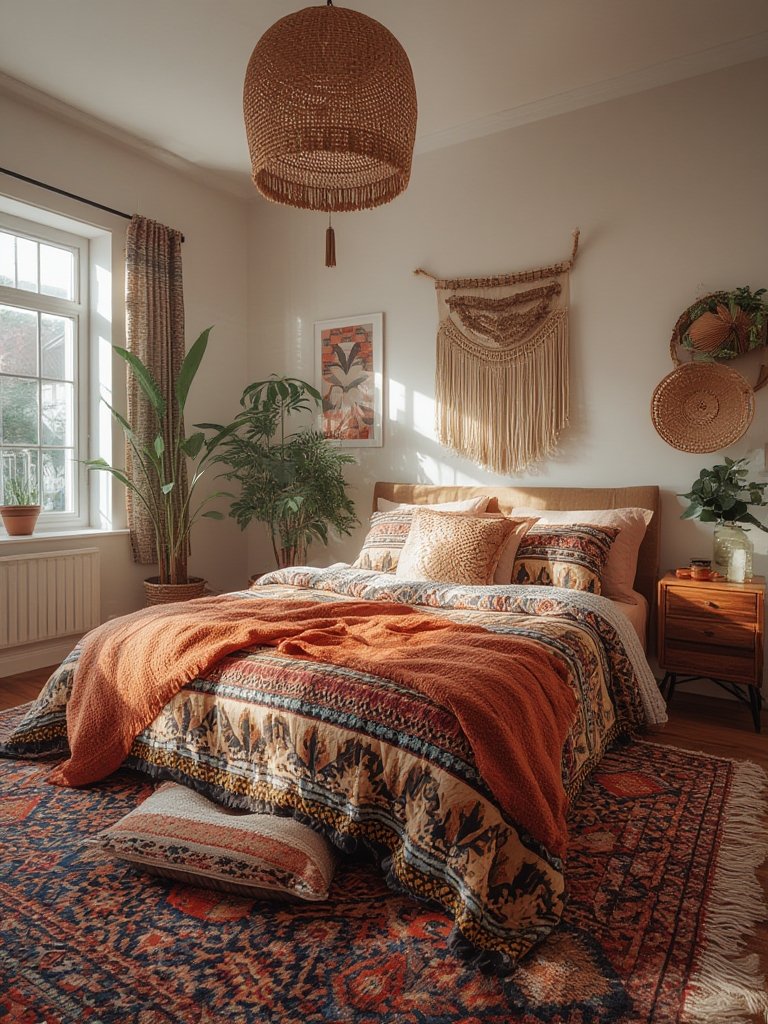
Afrohemian decor is more than a style trend—it’s a way to express personality and values while supporting artisan communities and keeping living spaces welcoming and real. Balance is crucial: invest in select authentic pieces, layer textures and meaningful prints, and edit thoughtfully to avoid clutter. By being intentional, you’ll merge heritage and ease in a way that invites conversation and reflects your story. Try the Afrohemian Decor approach with confidence and see how it can redefine warmth, depth, and character in your home. For more guidance on elevating every part of your living environment, check out our advice on outdoor design and integrating stylish home furniture.
Ready to transform your space? Start small, be authentic, and update your home with a story that’s truly your own.
Frequently Asked Questions
How is Afrohemian Decor different from standard boho or African-inspired interiors?
Afrohemian Decor thoughtfully blends grounded African craftsmanship and storytelling with bohemian layering, avoiding generic boho clutter or surface-level “tribal” prints. Each piece is chosen for authenticity, not just trendiness.
Do I need to spend a lot to get an Afrohemian look?
No. While authentic pieces like handmade baskets or carved furniture can be pricier, you can start with upcycled thrift finds, DIY pattern projects, and affordable artisan accents. Layer gradually and invest in a few standout items when possible.
What are good color palettes for Afrohemian rooms?
Use sunbaked earth tones like ochre, clay, deep browns, and olive, lifted with sand or black, plus a pop of jewel tone or Pantone’s color of the year. Keep colors purposeful to avoid clashing or overwhelming the space.
Are there risks of cultural appropriation?
Choosing pieces that are ethically sourced and understanding their origins will help you avoid disrespect. Celebrate heritage, support artisans, and favor items with real backstory and fair compensation. Avoid copying sacred items or using cultural symbols superficially.
How do I avoid Afrohemian decor looking messy or cluttered?
Edit! Choose a few larger statement pieces over lots of small knick-knacks. Allow for negative space and keep layering purposeful—think storytelling, not collecting.
—