

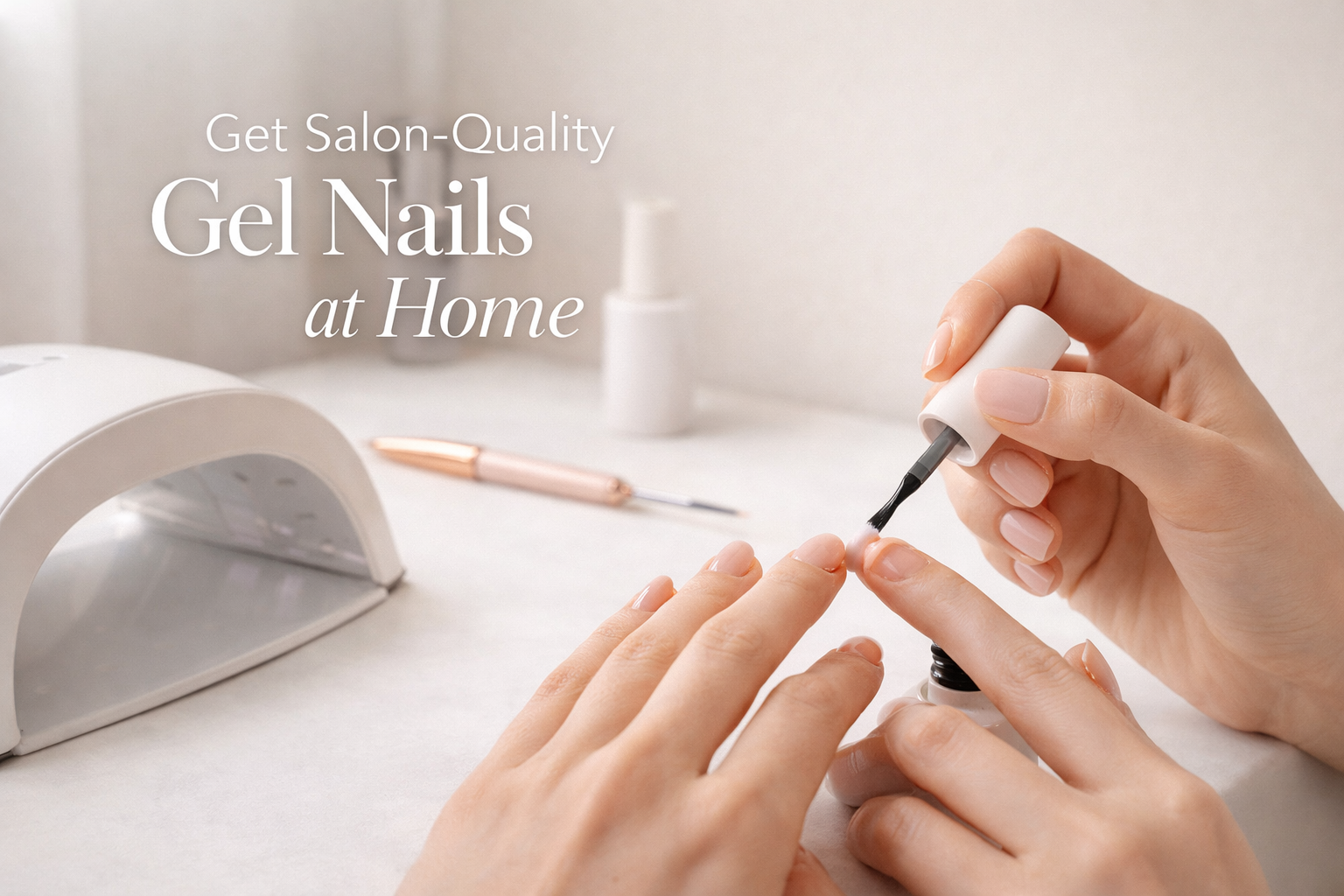
There is something truly magical about walking out of a salon with a fresh, glossy set of hands. You feel polished, confident, and ready to take on the world. However, finding the time for frequent appointments can be a challenge in our busy lives.
What if you could recreate that luxury experience in your own living room? Achieving professional gel nails is easier than you might think. With the right tools and a little patience, you can master the art of a perfect finish without the high price tag.

Embracing a DIY gel manicure allows you to save money while enjoying long-lasting, chip-resistant color that stays vibrant for weeks. It is time to reclaim your self-care routine and enjoy beautiful results on your own schedule.
Key Takeaways
- Save time and money by mastering professional techniques at home.
- Invest in a high-quality starter kit for the best results.
- Proper nail preparation is the secret to a long-lasting finish.
- Thin, even layers prevent peeling and ensure a smooth look.
- Practice makes perfect when learning to apply polish like a pro.
Understanding the Science of Gel Nails
To achieve salon-quality gel nails at home, it’s essential to grasp the underlying science that makes them last. The durability and glossy finish of gel nails are primarily due to the unique properties of the polish and the curing process.
How UV Cured Polish Works
The UV curing process involves a chemical reaction that occurs when the polish is exposed to UV light. The polish contains monomers and photoinitiators. When UV light is applied, it triggers the photoinitiators, causing the monomers to polymerize and form a hard, durable layer.
Differences Between Shellac and Traditional Gel
Shellac and traditional gel are both types of gel nail polish, but they have distinct differences in terms of their formulation and application.
Shellac is a specific brand of gel polish that is known for its high-quality, long-lasting finish. Traditional gel polish, on the other hand, is a more general term that encompasses a wide range of gel polish products.
| Feature | Shellac | Traditional Gel |
|---|---|---|
| Brand Specificity | Yes, CND Shellac | No, various brands |
| Removal Process | Soak-off | Soak-off or drill |
| Durability | Up to 2 weeks | Up to 2 weeks |

Understanding the science behind gel nails and the differences between various types of gel polish can significantly improve your at-home application experience. By choosing the right products and following the correct application and curing procedures, you can achieve a professional-looking finish that lasts.
Essential Tools for Your Home Gel Kit
For a professional-looking gel manicure at home, the right tools are indispensable. A well-prepared home gel kit includes several essential items that make the process smoother and the results more durable.
To start, you’ll need to invest in a few critical tools that will help you achieve long-lasting nails that look great.
Choosing the Right LED or UV Lamp
The first crucial tool is an LED or UV lamp. These lamps are necessary for curing the gel polish. When choosing between an LED and UV lamp, consider the types of gel polishes you plan to use and the curing time.
- The size of the lamp: Ensure it can accommodate all your fingers at once for efficiency.
- The type of bulbs: LED lamps use LEDs, while UV lamps use UV bulbs that may need replacement over time.
- Timer functionality: A timer helps ensure that your gel polish is cured for the correct amount of time.
Selecting High-Quality Base and Top Coats
In addition to a good lamp, high-quality base and top coats are vital for a successful gel manicure. The base coat helps protect your natural nail and promotes adhesion of the gel polish, while the top coat seals the color and adds shine.
- Formulated for gel nail applications.
- Free from harsh chemicals.
- Compatible with your gel polish brand to ensure the best results.

By focusing on these essential tools and understanding their roles in the gel nail application process, you can achieve a professional-looking gel manicure at home that results in long-lasting nails.
Preparing Your Natural Nails for Longevity
A well-prepared nail is the foundation of a durable gel manicure that looks great for weeks. To achieve long-lasting nails, it’s crucial to start with the right preparation. This involves a few key steps that ensure your gel manicure adheres well and remains chip-free for as long as possible.
Proper Cuticle Care and Nail Shaping
Before applying gel polish, gently push back your cuticles using a cuticle pusher. This helps prevent any gel from getting on your cuticles and ensures a clean application. Next, shape your nails to your desired form. Use a nail file to smooth out any ridges or imperfections. Proper nail shaping not only enhances the appearance of your manicure but also helps prevent cracking or breaking.
Dehydrating the Nail Plate for Better Adhesion
Dehydrating the nail plate is a critical step often overlooked. Use a nail dehydrator or a lint-free wipe soaked in alcohol to remove any oils or residue from your nails. This step is essential for ensuring the gel polish adheres properly to your nail. A well-prepared nail surface means your gel manicure will last longer and look better.
Here’s a quick comparison of the steps involved in preparing your natural nails for a gel manicure:
| Step | Purpose | Tools Needed |
|---|---|---|
| Cuticle Care | Prevent gel from adhering to cuticles | Cuticle pusher |
| Nail Shaping | Enhance appearance and prevent damage | Nail file |
| Dehydrating the Nail Plate | Improve gel polish adhesion | Nail dehydrator or alcohol wipe |
By following these steps, you can significantly improve the longevity of your gel manicure. Proper preparation is key to achieving long-lasting nails that look great and remain healthy.
Mastering the Application Process for Gel Nails Nails
The key to a flawless gel manicure lies in the application technique. A well-applied gel nail manicure not only looks great but also lasts longer. To achieve this, it’s crucial to understand the steps involved in the application process.
Applying the Base Coat Evenly
Applying a base coat is the foundation of a successful gel nail application. It helps protect your natural nail and promotes even adhesion of the gel polish. To apply the base coat evenly, start by prepping your nail surface. Ensure it’s clean and dry, then gently brush the base coat onto your nail in smooth, steady strokes. Cover the entire nail surface, but avoid getting the polish on your cuticles or skin.
Tip: Use a base coat that’s specifically designed for gel nail applications. These products are usually formulated to adhere well to the nail and provide a smooth surface for the gel polish.
Techniques for Thin Color Layers
Achieving thin, uniform color layers is essential for a professional-looking gel manicure. To do this, it’s essential to use the right amount of polish on your brush. Dip the brush into the polish, and gently wipe off any excess product on the rim of the bottle. This helps prevent pooling and ensures a smooth application.
When applying the color, start at the center of your nail and gently push the polish towards the cuticle, then pull it back towards the tip. Repeat this process on both sides to achieve an even coat. Multiple thin layers are better than one thick layer, as they dry more evenly and are less likely to pool or streak.
“The secret to a great gel manicure is in the layers. Thin, even layers are the key to a long-lasting and chip-resistant finish.”
Nail Expert
| Layer | Purpose | Tips |
|---|---|---|
| Base Coat | Protects the nail and promotes adhesion | Apply thinly and evenly |
| Color Coat | Provides the desired color | Use multiple thin layers |
| Top Coat | Seals the color and adds shine | Apply a thin layer to avoid pooling |
Achieving a Flawless Finish with UV Curing
Proper UV curing is essential for achieving a flawless and durable gel nail finish. The process involves more than just applying gel polish; it requires careful attention to the curing time and technique to ensure a long-lasting manicure.
Timing Your Cures Correctly
The timing of the curing process is critical. Different gel polish brands and types have specific curing times under UV or LED lamps. Generally, UV lamps require longer curing times compared to LED lamps. For instance, a typical UV lamp may require 2-3 minutes for curing, while an LED lamp might need only 30 seconds to 1 minute.
Correct curing times for different gel polish types:
| Gel Polish Type | UV Lamp Curing Time | LED Lamp Curing Time |
|---|---|---|
| Standard Gel Polish | 2 minutes | 30 seconds |
| Thick Gel Polish | 3 minutes | 45 seconds |
| Gel Polish with Glitters | 3-4 minutes | 1-2 minutes |
Avoiding Common Curing Mistakes
One of the most common mistakes is under-curing the gel polish, which can lead to a manicure that chips or peels off quickly. To avoid this, ensure that your gel polish is fully cured under the lamp for the recommended time. Another mistake is over-curing, which can cause the gel to become too hard and prone to cracking.
To achieve the best results, it’s also important to position your hand correctly under the lamp, ensuring that the nails are directly under the light source. This helps in achieving an even cure across all nails.
By timing your cures correctly and avoiding common curing mistakes, you can achieve a flawless finish with your uv cured polish that lasts longer and looks great.
Troubleshooting Common Gel Manicure Issues
Despite your best efforts, you may encounter some common gel manicure issues, but these can be easily fixed. A gel manicure is a great way to achieve long-lasting nails, but like any beauty treatment, it’s not immune to potential problems.
Common issues include peeling, lifting, bubbles, and streaks. Understanding how to prevent and fix these problems is key to maintaining a flawless gel manicure.
Preventing Peeling and Lifting
Peeling and lifting are often caused by improper nail preparation or application techniques. To prevent these issues, ensure your nails are properly cleaned and dehydrated before applying gel polish. Using a high-quality base coat can also help improve adhesion and reduce the risk of lifting.
Another critical factor is the curing process. Insufficient curing can lead to a weak bond between the gel polish and the nail, causing lifting. Make sure to follow the manufacturer’s guidelines for curing times and use a reliable LED or UV lamp.
Fixing Bubbles and Streaks
Bubbles and streaks can be frustrating, but they can be avoided with the right techniques. When applying gel polish, use thin coats and make sure to cure each layer properly. This helps prevent the formation of bubbles and ensures an even finish.
If you notice bubbles or streaks, you can try to fix them by gently buffing the surface of the nail and reapplying a thin layer of gel polish. For more severe cases, it might be necessary to remove the gel polish entirely and start over.
By understanding the causes of common gel manicure issues and knowing how to address them, you can enjoy a beautiful, long-lasting gel manicure at home.
Maintaining Your Long-Lasting Nails
Maintaining your gel nails is not just about aesthetics; it’s also about nail health. A well-cared-for gel manicure not only looks great but also ensures the longevity of your nails. As Nail expert, Deborah Lippmann, once said, “The key to a long-lasting gel manicure is not just the application, but the maintenance.”
To keep your gel nails in top condition, it’s essential to adopt daily habits that protect your manicure and promote nail health. This includes being mindful of your daily activities and how they might impact your nails.
Daily Habits to Protect Your Manicure
Daily wear and tear can take a toll on your gel nails. To minimize damage, make sure to:
- Wear gloves when washing dishes or using harsh chemicals to prevent lifting and damage.
- Avoid using your nails as tools, such as opening packages or picking at things.
- Be gentle when handling heavy objects or performing tasks that might put pressure on your nails.
By incorporating these habits into your daily routine, you can significantly extend the life of your gel manicure.
Using Cuticle Oil for Hydration
Cuticle oil plays a vital role in maintaining the health and appearance of your gel nails. It helps to:
- Hydrate the cuticles and nail bed, promoting healthy nail growth.
- Prevent dryness and brittleness around the nail area.
- Keep your gel manicure looking fresh by maintaining the integrity of the nail and surrounding skin.
“Cuticle oil is not just for cuticles; it’s for the overall health of your nail,” emphasizes Nail technician, Jin Soon Choi. Regular application of cuticle oil can make a significant difference in the longevity and appearance of your gel nails.
By combining daily protective habits with regular cuticle oil application, you can enjoy a long-lasting, healthy-looking gel manicure.
Safe Removal Techniques for Soak-Off Gel
Safe removal of gel polish is just as crucial as its application, ensuring the health and integrity of your nails. Removing soak-off gel polish at home can be a straightforward process if you follow the right steps and use the correct materials.
The Importance of Avoiding Forced Removal
Forced removal of gel polish can cause significant damage to your natural nails, including lifting, cracking, or even pain due to the nail plate being torn. It’s essential to be patient and gentle when removing gel polish to avoid such issues.
Avoid using harsh tools or excessive force, as these can damage the nail and surrounding skin. Instead, opt for a gentle, acetone-based removal process that loosens the gel polish without causing harm.
Step-by-Step Acetone Soaking Method
To safely remove soak-off gel, follow these steps:
- Prep your nails by gently filing the top layer to break the seal.
- Soak cotton pads in acetone and place them on your nails.
- Wrap each finger with aluminum foil to trap the acetone and heat.
- Let it soak for 15-20 minutes to allow the gel polish to loosen.
- Gently scrape off the gel polish with a cuticle pusher or orange stick.
- Repeat if necessary, and finish with a moisturizing cuticle oil.
| Removal Method | Time Required | Difficulty Level |
|---|---|---|
| Acetone Soaking | 15-20 minutes | Easy |
| Forced Removal | Immediate | High Risk |
By following the acetone soaking method, you can safely remove your soak-off gel polish without damaging your natural nails. Remember, patience is key to a successful removal process.
Health and Safety Precautions at Home
As you enjoy the convenience of at-home gel nail application, don’t forget to prioritize your health and safety. While gel manicures can be a fun and creative way to beautify your nails, there are several health and safety considerations to be aware of to minimize potential risks.
One of the primary concerns with at-home gel nail application is the use of UV or LED lamps for curing UV cured polish. These lamps emit ultraviolet light, which is necessary for drying and setting the gel polish. However, exposure to UV radiation can have adverse effects on the skin, including premature aging and increased risk of skin cancer.
Protecting Your Skin from UV Exposure
To minimize the risks associated with UV exposure during gel nail curing, consider the following precautions:
- Apply a broad-spectrum sunscreen with a Sun Protection Factor (SPF) of at least 30 to your hands before exposure to the UV lamp.
- Wear protective gloves with the fingertips cut off to shield your skin from UV radiation while allowing the gel polish to cure.
- Limit the frequency and duration of UV lamp exposure by following the manufacturer’s guidelines for curing times.
“The risk of skin cancer from UV nail lamps is still being studied, but it’s prudent to take precautions to minimize exposure,” advises dermatological experts.
When to Take a Break from Gel Manicures
It’s essential to give your nails a break from gel manicures periodically. Continuous application of gel polish without adequate time for your natural nails to rest can lead to nail weakening, brittleness, and other damage.
| Condition | Action |
|---|---|
| Nail brittleness or weakening | Take a break from gel manicures for at least 2-3 months |
| Visible signs of nail damage | Consider nail strengthening treatments |
| Frequent lifting or peeling of gel polish | Review application technique and consider professional help |
By being mindful of these health and safety precautions, you can enjoy the benefits of at-home gel nail application while protecting your overall nail health and skin integrity.
Advanced Nail Art Techniques for Beginners
Unleash your creativity with beginner-friendly nail art designs using gel polish and other materials. Advanced nail art techniques can seem daunting, but with practice and patience, you can achieve salon-quality results at home.
Creating Simple Designs with Gel Polish
Creating simple designs with gel polish is a great way to start your nail art journey. You can begin with basic techniques such as striping, dotting, and stamping.
To create a simple stripe design, use a nail art brush to paint thin lines onto your nails using gel polish. You can use one color or multiple colors to create a unique look.
For a dotted design, use a dotting tool or a toothpick to create small dots on your nails. You can create patterns or random designs, depending on your preference.
Using Foils and Glitters Safely
When using foils and glitters, it’s essential to follow some safety precautions to avoid any damage to your nails or surrounding skin.
To apply foils, use a special adhesive to ensure they stick properly to your nail. You can use a nail glue or a special foil adhesive. Apply a thin layer of adhesive to the area where you want to apply the foil, then gently place the foil onto the nail.
For glitters, use a glitter polish or apply loose glitters using a special adhesive. Make sure to seal the glitters with a top coat to prevent them from falling off.
| Material | Ease of Use | Durability |
| Gel Polish | Easy | High |
| Foils | Moderate | Medium |
| Glitters | Easy to Moderate | Medium to High |
Budgeting for Your Home Salon Setup
Investing in a home salon setup for gel manicures can seem daunting, but understanding the costs involved can help you make informed decisions. Setting up a home salon is not just about the initial investment; it’s about creating a space where you can achieve professional-quality gel nails nails at your convenience.
When considering the costs, it’s essential to compare the expenses of DIY gel manicures versus regular visits to a professional salon. While the initial setup for a home salon might seem expensive, it can lead to significant savings over time.
Cost Comparison: DIY vs Professional Services
The cost of a professional gel manicure can range from $30 to $60 per visit, depending on the location and the technician’s expertise. In contrast, the initial investment for a home salon setup can range from $100 to $300, depending on the quality of the products and tools you choose.
| Service/Product | Professional Cost | DIY Cost |
|---|---|---|
| Gel Manicure | $30-$60 per visit | $10-$20 per application (initial setup: $100-$300) |
| Gel Polish | Included in manicure cost | $10-$15 per bottle |
| Nail Prep and Care | Included in manicure cost | $5-$10 per product |
As shown in the table, while there’s an initial cost to setting up a home salon, the long-term savings are significant, especially for those who frequently get gel manicures. Moreover, having a home salon setup allows you to achieve long-lasting nails at your convenience.
Investing in Quality
When setting up your home salon, it’s crucial to invest in quality products and tools. While cheaper alternatives might be tempting, they can compromise the quality and longevity of your gel manicures. High-quality gel polishes, base coats, and top coats ensure a professional finish and long-lasting nails.
Choosing the right LED or UV lamp is also critical. A good quality lamp can range from $20 to $100. Although it seems like a significant upfront cost, it’s a one-time investment that ensures your gel manicures cure properly, leading to a longer-lasting finish.
In conclusion, budgeting for a home salon setup requires considering both the initial investment and the long-term savings. By investing in quality products and understanding the costs involved, you can enjoy professional-quality gel manicures from the comfort of your home.
Conclusion
The key to a successful gel manicure at home lies in understanding the process and being committed to practice. By following the steps outlined in this article, from preparing your natural nails to mastering the application and curing process, you can achieve salon-quality results.
With the right tools, such as a quality LED or UV lamp and high-quality base and top coats, you’re well on your way to a long-lasting gel manicure. Proper cuticle care, nail shaping, and dehydrating the nail plate are crucial for a flawless finish.
As you continue to practice, you’ll become more comfortable with techniques like applying thin color layers and avoiding common curing mistakes. Remember, patience is key when it comes to mastering gel nail application.
By incorporating daily habits to protect your manicure and using cuticle oil for hydration, you can enjoy your gel manicure for weeks to come. With these tips and a bit of practice, you’ll be able to achieve a professional-looking gel manicure from the comfort of your own home.
FAQ
What exactly is the difference between CND Shellac and a traditional gel manicure?
While people often use the terms interchangeably, Shellac is a patent-pending brand by CND that combines the ease of traditional polish with the durability of a gel. A standard gel manicure typically uses a 100% gel formula, whereas Shellac is a hybrid. Both options result in beautiful, long-lasting nails, but Shellac is often cited as being slightly easier to remove during the soak-off gel process.
How does UV cured polish actually harden under the lamp?
This magic happens through a process called polymerization. When uv cured polish is exposed to specific wavelengths from an LED or UV lamp (like those from SUNUV or Gelish), photo-initiators in the liquid gel react, linking molecules together to create a hard, durable plastic coating that is instantly dry and resistant to smudging.
Why is my gel polish peeling off after only a few days?
Longevity starts with preparation. If you don’t properly dehydrate the nail plate using a product like OPI Bond-Aid, natural oils can prevent the base coat from adhering. Additionally, make sure you are capping the free edge of your nail with every layer of polish to seal the tip and prevent lifting.
Can I use an LED lamp for all types of soak-off gel?
Most modern brands like Sally Hansen and Red Carpet Manicure are formulated to work with LED lamps, which cure much faster (usually 30–60 seconds). However, some older traditional gels may still require a standard UV lamp. Always check the manufacturer’s instructions on your uv cured polish bottle to ensure your lamp’s wattage and light spectrum are compatible.
Is it safe to use acetone frequently for removal?
Pure acetone is the most effective way to remove soak-off gel, but it can be drying to the skin and nail plate. To keep your nails healthy, always apply a high-quality oil, such as SolarOil by CND, to your cuticles after removal. If your nails feel brittle, it’s a good sign you should take a one-to-two-week break between applications.
How can I protect my skin from UV exposure during my gel manicure?
While the exposure time is very short, many professionals recommend applying a broad-spectrum SPF 30 sunscreen to your hands 20 minutes before starting your manicure. Alternatively, you can wear UV-protective manicure gloves that leave only the nail tips exposed, ensuring your skin stays protected while you cure your long-lasting nails.
Is investing in a home gel kit really cheaper than going to a salon?
Absolutely. While the initial investment for a quality LED lamp, base coats, and colors from brands like Beetles or Modelones might cost as much as two professional salon visits, the kit will last for dozens of manicures. Over the course of a year, doing your own gel manicure at home can save you hundreds of dollars in service fees and tips.
Why does my gel feel “tacky” even after I’ve cured it for the recommended time?
That sticky layer is called the inhibition layer. It is a normal byproduct of the curing process and actually helps the next layer of polish adhere. Once you apply your final top coat and cure it, you simply wipe away that residue with a lint-free wipe soaked in 91% Isopropyl Alcohol to reveal a high-shine, smudge-proof finish.