

Multi-Generational Living is reshaping the way American families design, build, and experience their homes. Faced with shifting economic realities and changing family dynamics, more households are combining generations under one roof—with accessory dwelling units, in-law suites, and creative layouts leading the way. This guide covers the realities, proven strategies, and potential pitfalls you need to know before embracing multi-generational living in 2024.
Key Takeaways
- Over half of surveyed Americans now live in multi-generational homes, with growing demand for ADUs and flexible layouts.
- Privacy and lifestyle differences are leading challenges, often outweighing the benefits if not carefully addressed in design and planning.
- Careful navigation of costs, local regulations, and generational needs is critical for a successful multi-gen home or ADU project.
- Understanding Multi-Generational Living & Why It’s Surging
- How to Set Up a Modern Multi-Generational Home: Step-by-Step
- Advanced Analysis & Common Pitfalls in Multi-Generational Setups
- Conclusion
- FAQ
Understanding Multi-Generational Living & Why It’s Surging
Multi-generational living, where two or more adult generations or grandparents and grandchildren share a single household, is no longer niche. Recent surveys show that 55 percent of Americans now live in this type of arrangement, with the trend strongest among Gen X (61 percent), Gen Z (59 percent), and Millennials (56 percent). Factors pushing this shift include rising housing costs, the burden of student debt, elder and child care needs, and a desire for family closeness.
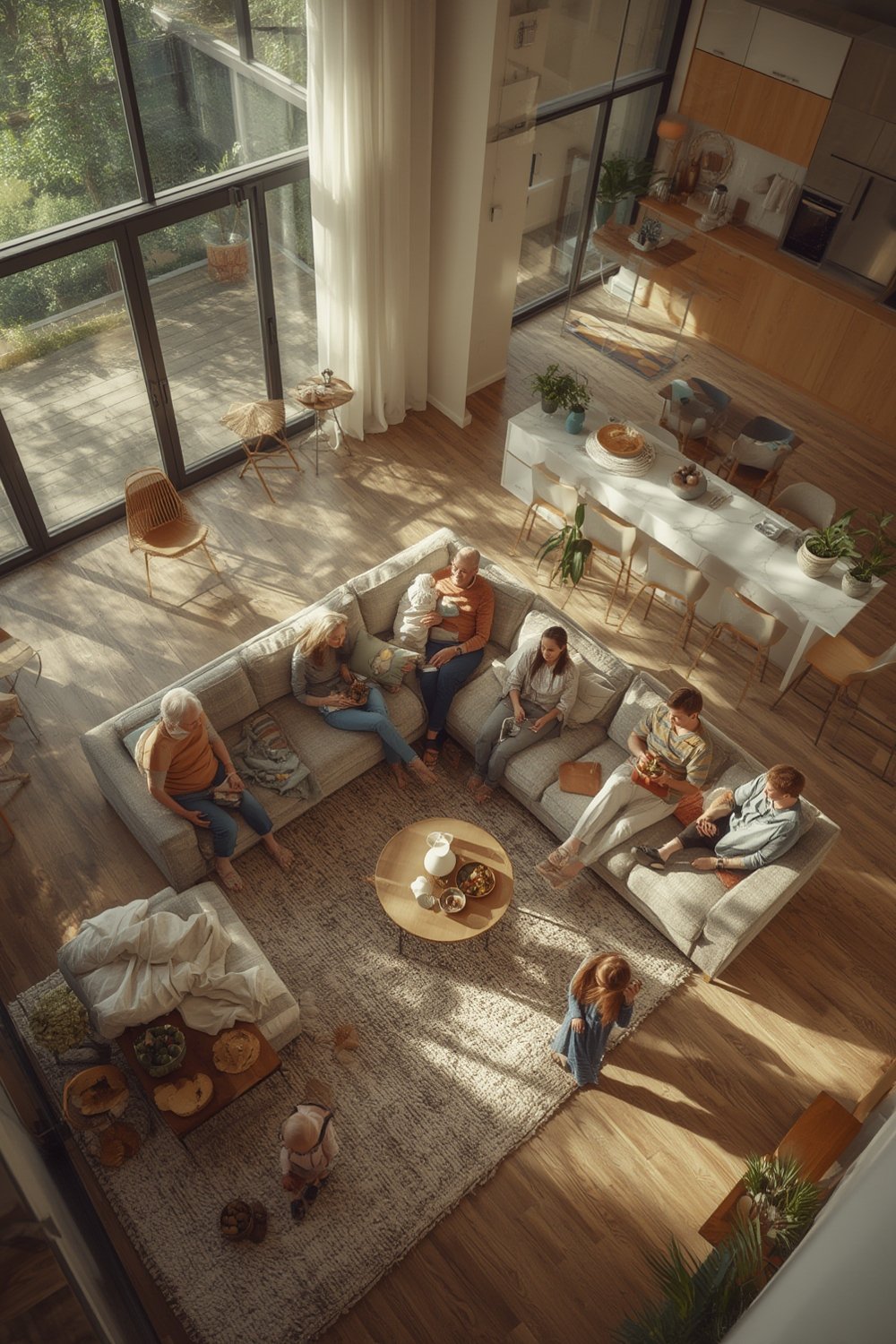
Accessory dwelling units (ADUs), in-law suites, and home additions are practical solutions for multi-generational living. They can offer privacy and autonomy while keeping relatives close. Pew research shows young adults ages 25-29 are especially likely to reside in such homes—31 percent in 2021, up sharply in recent decades (source).
The needs of each generation are unique: one requires accessibility, another privacy, still another flexible space for remote work or studying. As families design or remodel their layouts, understanding these needs is the foundation of successful multi-generational living.
How to Set Up a Modern Multi-Generational Home: Step-by-Step
Turning a conventional home into a functional multi-generational space means more than adding a spare bedroom. Success requires dynamics-aware planning, design, and legal research. Here’s a step-by-step approach that actually works:
- Assess Needs & Goals for Each Generation
Interview everyone: What are their privacy, health, and work needs? Does anyone require ADA accessibility? Are pets or home offices involved? This up-front step often gets rushed—don’t skip it.
For ideas on accessible layouts, check the home improvement tips and DIY projects guide.
- Research Legal and Zoning Requirements
Rules for ADUs and in-law suites vary dramatically by city and even neighborhood. Start with your city’s planning department. Understand setbacks, parking minimums, size limits, and owner-occupancy clauses.
For outdoor living or landscape requirements, check out smart ideas for your outdoor space.
- Design for Privacy & Autonomy
Prioritize separated entrances, private bathrooms, and sound insulation. Mini kitchens or coffee bars can help some members feel more independent.
For tips on zoning living areas, browse furniture trends that maximize privacy.
- Create Multi-Use Shared Spaces
Not everything can be separate—focus on living rooms and kitchens that flex for day/night use. Well-zoned outdoor seating improves overall comfort.
- Plan for the Unexpected
Life changes; new arrivals, aging, or job shifts can turn a “perfect” plan upside-down. Design spaces with adaptable furniture and infrastructure for quick reconfiguration.
For helpful ideas, see how to set up adaptable home office or study zones.
- Budget for Planning, Construction, and Ongoing Costs
Hard data for 2024 is scarce, but expect significant costs for design, construction, permits, and ongoing utilities. Factor in annual maintenance—especially for detached ADUs. Reach out to local ADU specialists for quotes.
- Weigh Resale and Value-Add Potential
Multi-gen layouts can increase appeal in today’s market—74.2 percent homeownership among these households demonstrates broad desirability (source). Still, research your market: In some areas, unique layouts may reduce resale options.
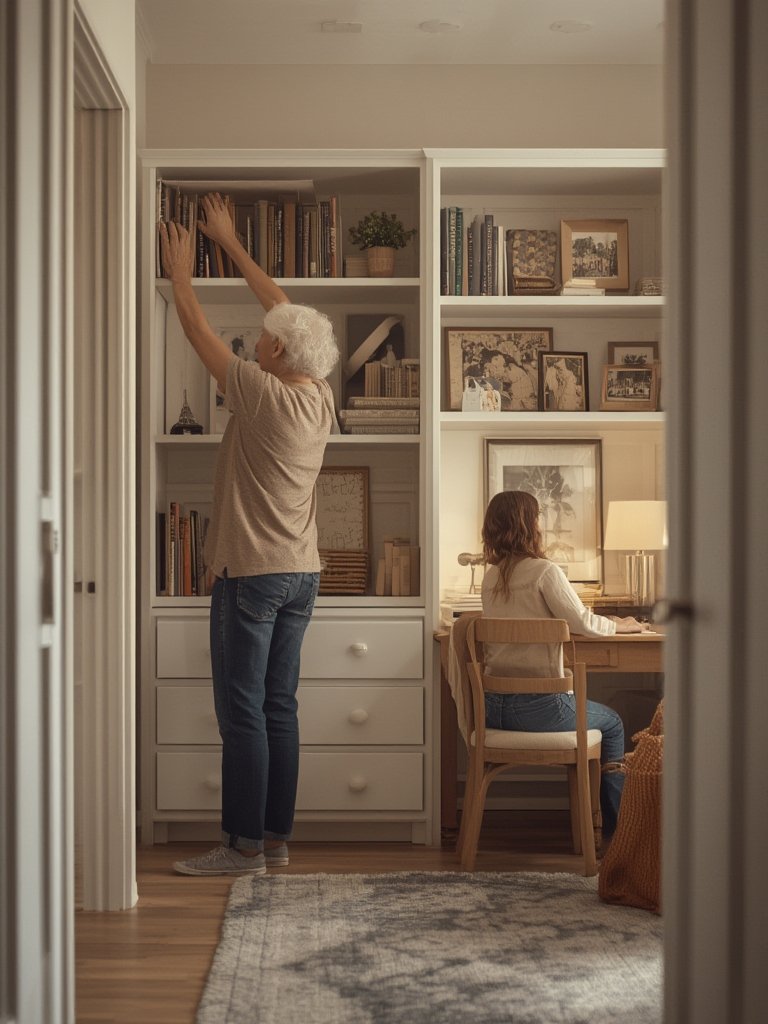
Throughout planning and construction, communicate frequently. Adjust as family dynamics change—flexibility can make or break the project.
Advanced Analysis & Common Pitfalls in Multi-Generational Setups
Despite the benefits of cost sharing and stronger family ties, multi-generational living is not without its challenges. Understanding and mitigating common pitfalls can save families from serious headaches:
| Challenge | Reported Frequency or Severity | Possible Solution |
|---|---|---|
| Privacy Conflicts | Very Common
|
Design with private entrances, bathrooms, and strategic soundproofing. |
| Unclear House Rules/Finances | Common
|
Put written agreements in place from the start; update regularly. |
| Permitting & Zoning Delays | Variable
|
Pre-verify local codes—many areas have recent ADU-friendly updates. |
| Adjustment Struggles for Younger Adults | High Frequency
|
Ensure autonomy and personal space; allow for change over time. |
| Accessibility Gaps for Seniors | Moderate
|
Plan no-step entries, grab bars, and wide doorways from day one. |
| Lack of Market Liquidity (on Resale) | Potential Risk
|
Add design flexibility: Units that can revert to rental or separate office use post-sale. |
According to recent findings, privacy and lifestyle balance are the biggest pain points—91 percent of multigenerational families say generational differences demand active consideration. Young adults often struggle most with shared living, while older family members and young children adapt more easily (source).
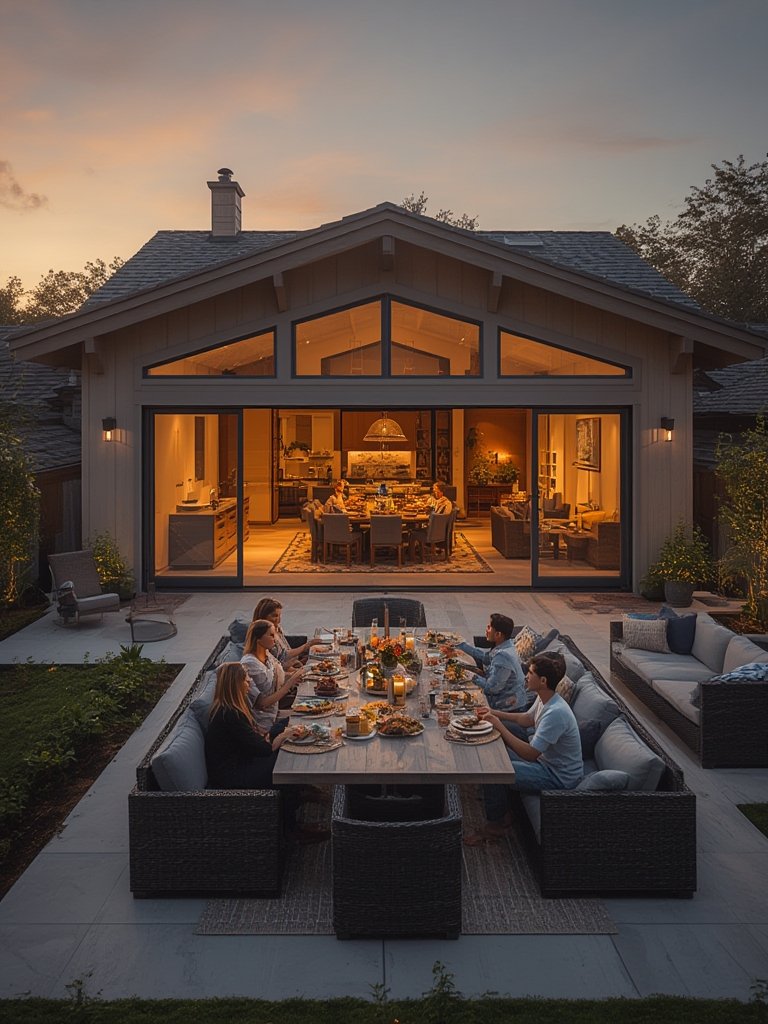
Additionally, because 2024 cost and incentive data is limited, homeowners must expect budget swings and closely monitor local legislation for new tax breaks or relaxed ADU rules. Above all, set realistic expectations; even thoughtfully designed multi-gen homes require ongoing negotiation and compromise.
Conclusion
Multi-generational living is transforming American housing, blending tradition with adaptability to address the real challenges families face in 2024. The process demands careful planning, honest communication, and flexible design—but pays off when done right. If privacy, collaboration, and changing needs are top priorities, investing in thoughtful Multi-Generational Living design can build deeper bonds and lasting value. Ready to get started? Begin your own design plan, talk with your local planning office, and draw inspiration from our home improvement library today.
FAQ
What are the biggest benefits of multi-generational living in 2024?
The biggest benefits include pooled income for mortgage or rent savings, built-in elder and child care, and strengthened family ties. Many families also find that sharing chores and expenses can free up resources for travel, education, or retirement.
Are there special financing or tax incentives for building ADUs or in-law suites in 2024?
There is no comprehensive federal program for ADUs or multi-gen conversions in 2024. Some cities and states offer incentives or streamlined permitting, but options vary widely. Consult your local housing department and a tax professional for the latest updates.
How do I ensure privacy in a multi-generational home or ADU?
Prioritize designs with separated entrances, bathrooms, and soundproofed walls. Mini-kitchens or dedicated outdoor spaces can also help create privacy. Use furniture and layouts that visually mark off each generation’s “zone.”
Do multi-generational homes really maintain or increase property value?
Data shows homeownership rates and demand are rising for multi-gen homes, particularly where ADU laws are favorable. However, overly specialized layouts can limit resale to typical single-family buyers. Plan for reversible or flexible designs to preserve value.
What is the best way to start planning a multi-generational remodel?
Have a sit-down meeting with all current and future residents to define must-haves and concerns. Then, research local zoning rules and talk to architects with experience in multi-family or ADU projects. Always get at least two to three design estimates.
—