

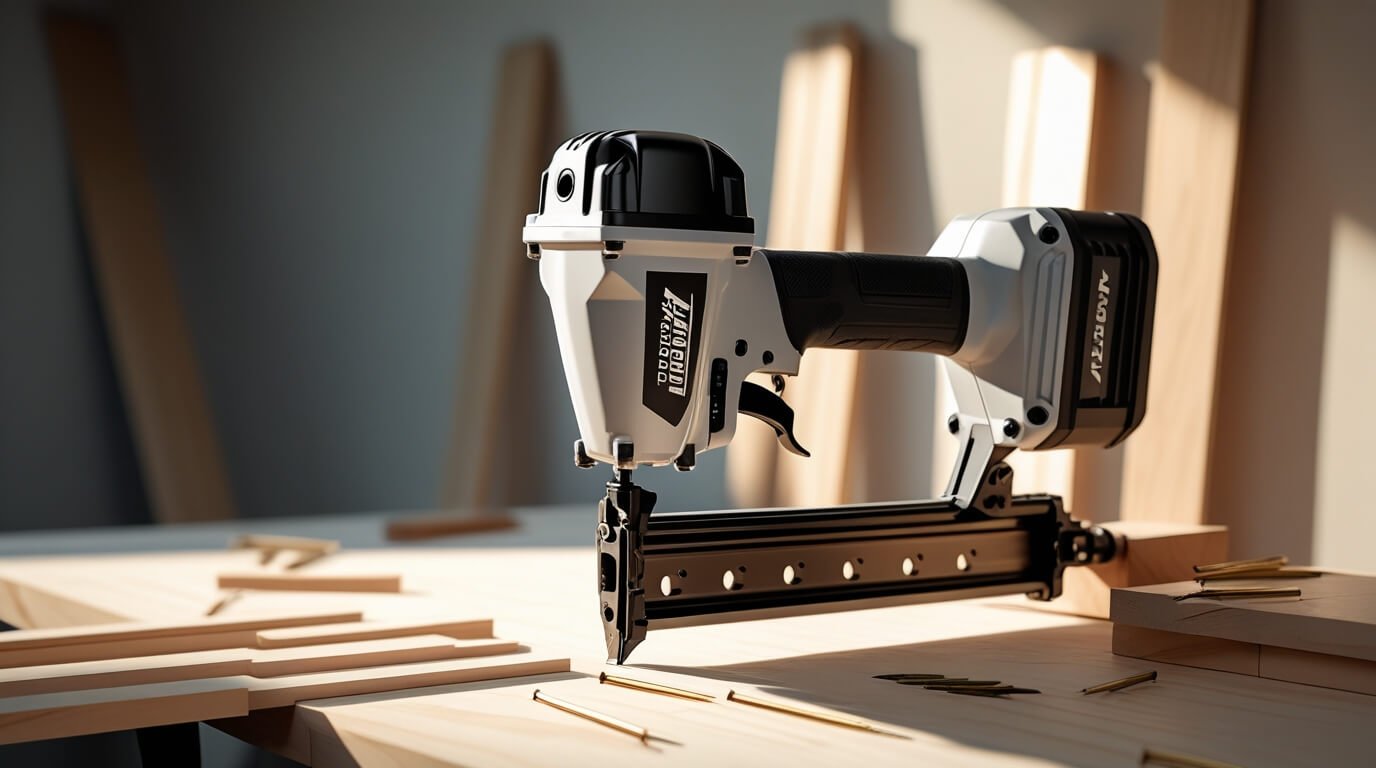
There is a unique satisfaction that comes from building something with your own two hands. Whether you are framing a new deck or finishing a delicate woodworking project, having the right equipment changes everything. Choosing the ideal nail gun is often the difference between a project that feels like a chore and one that flows with ease.

Investing in high-quality power tools empowers you to tackle complex tasks with confidence. We understand that the market is crowded, making it difficult to know which device truly fits your specific workflow. By selecting the best power tools for your workshop, you save time and ensure professional results every single time. Let us help you find the perfect nail gun to bring your creative vision to life.
Key Takeaways
- Identify the specific type of project to narrow down your tool selection.
- Prioritize safety features to protect yourself during intensive construction tasks.
- Consider the power source, such as pneumatic or cordless options, for better mobility.
- Evaluate the weight and ergonomics to reduce fatigue during long work sessions.
- Research brand reliability to ensure your investment lasts for many years.
Understanding the Different Types of Nail Guns
The world of nail guns is diverse, with various types designed for specific tasks and user needs. Nail guns, also known as nailers, are categorized based on their power source, nail type, and application.
Nail guns can be broadly classified into pneumatic, electric, and cordless types. Pneumatic nail guns are powered by compressed air and are known for their reliability and consistent performance. They are ideal for heavy-duty applications and are commonly used in construction and carpentry.
Electric nailers, on the other hand, are powered by electricity and offer more portability compared to pneumatic nailers. They are suitable for a wide range of tasks, from framing to finishing work. Within the electric category, there are corded and cordless options, with cordless electric nailers providing greater flexibility and convenience.

A brad nailer is a type of nail gun used for thinner nails and is typically used for trim work, furniture making, and other applications where a small nail is required. Brad nailers are available in both pneumatic and electric versions.
Here’s a summary of the main types of nail guns and their applications:
| Type of Nail Gun | Power Source | Application |
|---|---|---|
| Pneumatic | Compressed Air | Heavy-duty framing, construction |
| Electric | Electricity | Framing, finishing work |
| Cordless | Battery | Portable framing, finishing work |
| Brad Nailer | Pneumatic/Electric | Trim work, furniture making |
Understanding these categories and their respective applications is key to selecting the right nail gun for your needs. Whether you’re a professional contractor or a DIY enthusiast, choosing the appropriate type of nail gun can significantly impact the quality and efficiency of your work.
Key Factors to Consider Before Buying a Nail Gun
Before making a purchase, it’s crucial to consider a few important factors when buying a nail gun. The right nail gun can make a significant difference in the quality and efficiency of your work.
First and foremost, consider the power source of the nail gun. Cordless nail guns offer greater mobility and convenience, especially in tight spaces or when working outdoors. On the other hand, pneumatic nail guns provide consistent power and are often preferred for heavy-duty tasks.
Another critical factor is the type of nails the gun uses. Finish nailers, for instance, are designed for precision work and use thinner nails that are less likely to split the wood. Understanding the specific needs of your project will help you choose between different types of nail guns, such as framing nailers, roofing nailers, or finish nailers.

Ergonomics is also an essential consideration. A nail gun that feels comfortable in your hand and is well-balanced can reduce fatigue during extended use. Look for features like rubber grips and adjustable handles that can enhance your working experience.
Lastly, consider the brand and warranty offered. Reputable brands often provide better quality and customer support. A comprehensive warranty can also give you peace of mind, protecting your investment against defects and premature wear.
By carefully evaluating these factors, you can make an informed decision and find the perfectcordless nail gunor finish nailer for your needs.
DeWalt 20V MAX Cordless Brad Nailer
With its advanced battery technology and ergonomic design, the DeWalt 20V MAX Cordless Brad Nailer stands out in the market for its performance and user comfort. This tool is designed to provide professionals and DIYers with a reliable and efficient solution for various woodworking tasks.
Overview
The DeWalt 20V MAX Cordless Brad Nailer is part of DeWalt’s lineup of 20V MAX cordless tools, offering the convenience of cordless operation without sacrificing power. It is designed for precision and ease of use, making it suitable for a wide range of applications, from trim work to furniture making.
Pros
- Cordless Convenience: Operates without the need for an air compressor or hoses, enhancing portability and ease of use.
- High Precision: Designed for precision, it allows for accurate placement of brad nails.
- Ergonomic Design: The tool’s design reduces fatigue, making it comfortable to use over extended periods.
- Versatility: Suitable for various tasks, including trim work, furniture assembly, and other woodworking applications.
Cons
- Battery Life: The cordless nature means that battery life can be a limiting factor, requiring frequent recharges for heavy use.
- Nail Capacity: The magazine capacity may be limited compared to pneumatic models, requiring more frequent reloads.
Features
The DeWalt 20V MAX Cordless Brad Nailer boasts several key features that enhance its usability and performance. These include:
- Selectable Fire Mode: Allows users to switch between sequential and contact firing modes.
- Depth Adjustment: Enables precise control over nail depth.
- Belt Clip: Enhances portability and convenience.
| Feature | Description | Benefit |
|---|---|---|
| Selectable Fire Mode | Switch between sequential and contact firing | Enhances versatility for different tasks |
| Depth Adjustment | Precise control over nail depth | Improves the quality of work |
| Belt Clip | Tool can be clipped to a belt | Increases portability and convenience |
Recommendations
The DeWalt 20V MAX Cordless Brad Nailer is recommended for professionals and serious DIYers looking for a reliable and versatile cordless brad nailer. It’s particularly suited for those already invested in the DeWalt 20V MAX ecosystem, as it offers compatibility with existing batteries and chargers.
Metabo HPT 18V Cordless Finish Nailer
In the realm of cordless nail guns, the Metabo HPT 18V Cordless Finish Nailer stands out for its performance and features. This tool is designed to provide professionals and DIYers with a reliable and efficient solution for finish nailing tasks.
The Metabo HPT 18V Cordless Finish Nailer is part of the Metabo HPT’s lineup of cordless power tools, known for their durability and performance. This finish nailer is powered by an 18V lithium-ion battery, offering users the convenience of cordless operation without sacrificing power.
“The Metabo HPT 18V Cordless Finish Nailer has revolutionized the way we work on finish nailing tasks. Its cordless design and reliable performance make it an indispensable tool on our job sites,” says a satisfied contractor.
Pros
- Cordless Convenience: Operates on an 18V lithium-ion battery, providing users with the freedom to work without being tethered to a power source.
- High Performance: Delivers consistent and reliable performance, making it suitable for a variety of finish nailing applications.
- Durable Construction: Built with high-quality materials to withstand the rigors of frequent use on job sites.
Cons
- Battery Life: Some users have reported that the battery life could be longer, especially during intensive use.
- Nail Capacity: The nail magazine capacity is average, which might require more frequent reloads.
Features
The Metabo HPT 18V Cordless Finish Nailer comes with several notable features, including:
- A depth adjustment mechanism to control the depth of nail penetration.
- A no-mar tip to prevent damage to the workpiece.
- A sequential firing mode for precise nailing.
Recommendations
The Metabo HPT 18V Cordless Finish Nailer is recommended for professionals and serious DIYers who value the convenience of cordless operation and reliable performance. It’s ideal for tasks such as trim work, furniture making, and other finish nailing applications.
As Mark Johnson, a carpenter with over 10 years of experience, notes, “The Metabo HPT 18V Cordless Finish Nailer has been a game-changer for my business. Its reliability and performance have significantly improved my productivity.”
Milwaukee M18 FUEL Framing Nailer
Milwaukee’s M18 FUEL Framing Nailer has revolutionized the framing process with its advanced technology and robust design. This tool is engineered to provide professionals and serious DIYers with the power and reliability needed for demanding framing tasks.
The Milwaukee M18 FUEL Framing Nailer is part of Milwaukee’s renowned M18 lineup, known for its high-performance cordless solutions. This framing nailer is designed to offer the convenience of cordless operation without sacrificing the power typically associated with pneumatic nailers.
Key Features:
- Powerful motor capable of driving nails into tough materials
- Advanced battery technology for extended runtime and reduced downtime
- Ergonomic design for reduced fatigue during prolonged use
Pros
One of the standout benefits of the Milwaukee M18 FUEL Framing Nailer is its exceptional power and performance. Users have praised its ability to drive nails consistently and accurately, even in dense materials. Additionally, the tool’s cordless design offers greater mobility and convenience on job sites.
“This nailer has been a game-changer for our framing crew. The power and reliability are unmatched, and the cordless feature has significantly improved our workflow.” – A satisfied contractor.
Cons
While the Milwaukee M18 FUEL Framing Nailer is highly regarded, some users have noted that it comes with a higher price tag compared to other options on the market. Additionally, the tool’s weight and size can be a consideration for some users, particularly during extended use.
Features
The Milwaukee M18 FUEL Framing Nailer boasts a range of innovative features, including a REDLINK PLUS intelligence system that optimizes performance and protects against overload. The tool also features a durable design, with components built to withstand the rigors of heavy use.
| Feature | Description | Benefit |
|---|---|---|
| REDLINK PLUS Intelligence | Optimizes performance and protects against overload | Enhanced tool longevity and reliability |
| Cordless Operation | Offers greater mobility on job sites | Increased productivity and convenience |
| Ergonomic Design | Reduces user fatigue during prolonged use | Improved user comfort and reduced strain |
Recommendations
The Milwaukee M18 FUEL Framing Nailer is highly recommended for professionals and serious DIYers who require a reliable and powerful framing solution. While it may represent a significant investment, the tool’s performance, durability, and convenience make it a valuable addition to any serious toolkit.
Grex P635 23-Gauge Pin Nailer
When it comes to achieving flawless finishes without the hassle of visible nails, the Grex P635 23-Gauge Pin Nailer proves to be an invaluable asset. This tool is designed for precision and is particularly useful for delicate trim work, furniture making, and other detailed carpentry tasks where the visibility of nails can detract from the overall finish.
Overview
The Grex P635 is an electric nailer that stands out for its ability to drive 23-gauge headless pins into various types of wood without splitting them. It’s a versatile tool that can be used for a wide range of applications, from assembling furniture to attaching thin trim and molding.
Pros
- Precision and Accuracy: The 23-gauge pins are virtually invisible, making it ideal for finish work where appearance matters.
- Minimal Wood Splitting: The thin pins reduce the risk of splitting the wood, especially when working with delicate or thin materials.
- Versatility: Suitable for a variety of tasks, including furniture assembly, trim work, and other carpentry projects.
Cons
- Limited Holding Power: The 23-gauge pins may not provide the same holding power as thicker nails, potentially requiring additional fasteners for heavier applications.
- Reload Frequency: Depending on the project, the magazine may need to be reloaded frequently, which can slow down work.
Features
The Grex P635 features a depth adjustment mechanism, allowing users to control how deep the pins are driven into the material. This feature is crucial for achieving a professional finish, as it enables the user to countersink the pins slightly below the surface or flush with it, depending on the desired outcome.
Recommendations
The Grex P635 23-Gauge Pin Nailer is highly recommended for professionals and serious DIYers who require precision and a flawless finish in their woodworking projects. It’s particularly suited for tasks that demand a high level of detail and where the visibility of fasteners is a concern.
| Feature | Description | Benefit |
|---|---|---|
| 23-Gauge Pins | Thin, headless pins | Minimally visible, reducing the need for putty or touch-ups |
| Depth Adjustment | Mechanism to control pin depth | Allows for professional-grade finish control |
| Electric Operation | Cordless or corded options available | Offers convenience and portability |
The Evolution of the Modern Cordless Nail Gun
The evolution of cordless nail guns has been marked by improvements in battery life, power, and ergonomics. These advancements have transformed the way professionals and DIYers work on construction and woodworking projects.
Advancements in Battery Technology have played a crucial role in the development of cordless nail guns. Modern batteries offer longer runtime and faster charging times, reducing downtime and increasing productivity. For instance, the introduction of Lithium-Ion batteries has significantly enhanced the performance and reliability of cordless nail guns.
As noted by a industry expert,
“The shift towards cordless technology has been driven by the need for greater flexibility and convenience on the job site. Cordless nail guns have become an essential tool for many professionals.”
The improvements in cordless nail gun technology can be summarized in the following key areas:
- Increased power and driving capacity
- Enhanced ergonomics for reduced fatigue
- Improved battery life and charging efficiency
- Greater portability and convenience
A comparison of the features of modern cordless nail guns highlights their versatility and efficiency. The table below illustrates some of the key features:
| Feature | Traditional Pneumatic Nailers | Modern Cordless Nail Guns |
|---|---|---|
| Power Source | Compressed Air | Rechargeable Battery |
| Portability | Limited by Air Hose | Highly Portable |
| Battery Life | N/A | Several Hours of Continuous Use |
The modern cordless nail gun is a testament to the advancements in power tools technology. As these tools continue to evolve, we can expect even more innovative features and improvements in performance.
Safety Protocols for Operating Power Tools
Operating power tools like nail guns requires a deep understanding of safety protocols to prevent accidents.Safety should always be the top prioritywhen working with these tools.
To ensure a safe working environment, it’s crucial to follow established safety guidelines. Here are some key safety protocols to keep in mind:
- Always wear protective gear, including safety glasses and gloves.
- Ensure the work area is clear of debris and tripping hazards.
- Keep loose clothing and long hair tied back to avoid entanglement.
- Never point a nail gun at anyone, even if it’s not loaded.
- Keep children and pets away from the work area.
In addition to these general safety protocols, it’s essential to understand the specific safety features of your nail gun. Familiarize yourself with the tool’s manual and understand how to properly load and unload it.
Best Practices for Nail Gun Safety
To minimize the risk of accidents, follow these best practices:
- Always maintain a firm grip on the nail gun.
- Keep your fingers away from the trigger until you’re ready to fire.
- Use the correct nails for the job, as specified in the tool’s manual.
- Regularly inspect the nail gun for damage or wear.
By following these safety protocols and best practices, you can significantly reduce the risk of injury when working with nail guns and other power tools.
Maintenance Tips to Extend Tool Longevity
Proper maintenance is the key to ensuring your nail guns, including electric nailers and finish nailers, continue to perform optimally. Regular maintenance not only extends the life of your tools but also ensures they operate efficiently and safely.
To maintain your nail guns effectively, follow these essential tips:
- Regular Cleaning: Dust and debris can accumulate in your nail gun, affecting its performance. Regularly clean the tool, paying special attention to the magazine and the area around the nail ejection point.
- Lubrication: Many nail guns require lubrication to function smoothly. Check your tool’s manual to see if it needs oiling and follow the recommended lubrication schedule.
- Inspect for Damage: Regularly inspect your nail gun for signs of wear or damage. Check for worn or damaged parts and replace them as needed.
- Proper Storage: Store your nail gun in a dry, clean environment. Avoid exposing it to extreme temperatures or moisture, which can cause damage.
- Use the Correct Nails: Using the correct type and size of nails for your nail gun is crucial. Incorrect nails can jam the tool or cause it to malfunction.
For electric nailers and finish nailers, it’s also important to check the battery (for cordless models) and ensure that it’s charged and functioning correctly. For pneumatic models, inspect the air hose and compressor regularly to ensure there are no leaks or blockages.
By following these maintenance tips, you can significantly extend the life of your nail guns and ensure they continue to perform at their best. Regular maintenance is a simple yet effective way to protect your investment in these valuable tools.
Comparing Pneumatic Versus Electric Nailer Performance
When it comes to choosing the right nailer for your projects, understanding the differences between pneumatic and electric nailers is crucial. Both types have their own set of advantages and disadvantages, which are discussed below to help you make an informed decision.
Pneumatic nailers are powered by compressed air and are known for their high power and reliability. They are often used in professional settings where heavy-duty nailing is required. On the other hand, electric nailers, including cordless options, offer greater portability and convenience, making them suitable for a wide range of tasks and users.
One of the main advantages of pneumatic nailers is their ability to drive nails quickly and consistently, even in hardwoods. However, they require an air compressor, which can be bulky and noisy. In contrast, electric nailers, such as the DeWalt 20V MAX Cordless Brad Nailer, offer the convenience of cordless operation and are generally quieter and more portable.
When comparing the performance of pneumatic versus electric nailers, several factors come into play. These include the type of projects you typically work on, the frequency of use, and your personal preference regarding tool weight and ergonomics. For instance, if you’re working on framing or other heavy-duty projects, a pneumatic nailer might be the better choice. For finish work or smaller projects, an electric brad nailer or cordless nail gun could be more appropriate.
In conclusion, the choice between a pneumatic and an electric nailer depends on your specific needs and preferences. By considering the advantages and disadvantages of each type, you can select the tool that best suits your work style and project requirements.
Common Mistakes When Using a Nail Gun
Understanding the common mistakes associated with nail gun usage is crucial for both safety and effectiveness. Nail guns are powerful tools that can significantly speed up work, but they can also lead to accidents or poor work quality if not used correctly.
One of the most common mistakes is not wearing proper safety gear. Safety glasses, ear protection, and a dust mask are essential when working with nail guns to prevent injuries from flying debris or loud noises.
Another frequent error is not checking the nail gun’s condition before use. Ensuring that the nail gun is well-maintained, with clean and lubricated parts, can prevent jams and misfires. Regular maintenance is key to the longevity and reliability of the tool.
As noted by a professional carpenter, “A nail gun is only as good as its maintenance. Neglecting to clean and check your tool can lead to frustrating jams and potentially dangerous situations.”
“I’ve seen many beginners overlook the importance of regular maintenance, and it costs them time and money in the long run.”
Here are some common mistakes to avoid when using a nail gun:
- Not following the manufacturer’s instructions for loading and operating the nail gun.
- Using the wrong type or size of nails for the job.
- Failing to keep the work area clean and clear of debris.
- Not holding the nail gun correctly, leading to loss of control.
| Mistake | Consequence | Prevention |
|---|---|---|
| Not wearing safety gear | Injury from debris or noise | Always wear safety glasses, ear protection, and a dust mask |
| Poor nail gun maintenance | Jams, misfires, and tool damage | Regularly clean and lubricate the nail gun |
| Incorrect nail type or size | Poor work quality, nail gun jams | Follow manufacturer’s guidelines for nail selection |
By being aware of these common mistakes and taking steps to avoid them, users can ensure a safer and more efficient working experience with their nail gun.
Conclusion
Choosing the right nail gun can be a daunting task, but with the right information, you can make an informed decision. Throughout this article, we’ve explored the different types of nail guns, including the DeWalt 20V MAX Cordless Brad Nailer and the Metabo HPT 18V Cordless Finish Nailer.
When selecting a cordless nail gun, consider the specific needs of your project, whether it requires a brad nailer for delicate trim work or a finish nailer for heavier tasks. Safety protocols and maintenance tips are also crucial to ensure the longevity of your tool and prevent accidents.
By understanding the key factors to consider and the various options available, you can confidently choose the perfect nail gun for your needs. Whether you’re a professional contractor or a DIY enthusiast, investing in the right tool will make all the difference in the quality of your work.
FAQ
Is a cordless nail gun really as powerful as a traditional pneumatic model?
It definitely is! Thanks to recent advancements in power tools, modern battery-operated options like the Milwaukee M18 FUEL Framing Nailer deliver the same driving power as air-powered versions without the hassle of a hose or compressor. While pneumatic tools are often lighter, the portability and quick setup of a cordless nail gun make it a favorite for both professionals and weekend DIYers.
When should I choose a brad nailer over a finish nailer for my project?
It mostly comes down to the size and weight of the materials you are using. A brad nailer, such as the DeWalt 20V MAX Cordless Brad Nailer, uses thin 18-gauge nails that are perfect for delicate trim, jewelry boxes, or thin molding where you want to avoid splitting the wood. A finish nailer, like the Metabo HPT 18V Cordless Finish Nailer, uses thicker 15 or 16-gauge nails, providing the necessary holding power for heavier cabinetry, door casings, and baseboards.
Can I use the same battery for my electric nailer and my other power tools?
Yes, in most cases you can! Major brands have designed their systems to be interchangeable. For instance, if you own a DeWalt 20V MAX Cordless Brad Nailer, that same battery will power your DeWalt drills, saws, and impact drivers. This makes expanding your collection of power tools much more cost-effective since you can often buy “tool-only” versions if you already have the batteries and chargers.
What are the most important safety protocols for using a Milwaukee or DeWalt nailer?
Safety is paramount whenever you are handling an electric nailer. Always wear ANSI-approved safety glasses and keep your hands at least several inches away from the discharge area. You should also ensure the trigger lock is engaged when the tool is not in use. Whether you are using a heavy-duty Milwaukee framing tool or a precise Grex pin nailer, treating the tool with respect and never bypassing the safety contact tip will prevent the most common job site accidents.
How can I extend the lifespan of my cordless nail gun?
Routine maintenance is the secret to tool longevity! Keep the nail track clean of dust and debris, and always check for jammed fasteners before starting a job. While many modern cordless nail gun models are designed to be oil-free, you should always consult the specific manual for your Metabo HPT or DeWalt model. Additionally, store your batteries in a cool, dry place to ensure they maintain their charge capacity over the years.
What makes the Grex P635 23-Gauge Pin Nailer different from other nailers?
The Grex P635 is a specialized tool in the world of power tools. Because it fires incredibly thin, headless pins, it is the “gold standard” for intricate woodworking and attaching tiny decorative beads. The holes it leaves behind are so minuscule they are nearly invisible, which saves you a significant amount of time on filling, wood patching, and sanding during the finishing phase.
What is a common mistake to avoid when using an electric nailer?
The most frequent error is not holding the tool firmly and flush against the workpiece. If your finish nailer or brad nailer is tilted even slightly, the nail can “blow out” through the side of the wood or fail to sink deep enough. Always ensure the nose of your Metabo HPT or DeWalt is perpendicular to the surface for a clean, professional result every time!