

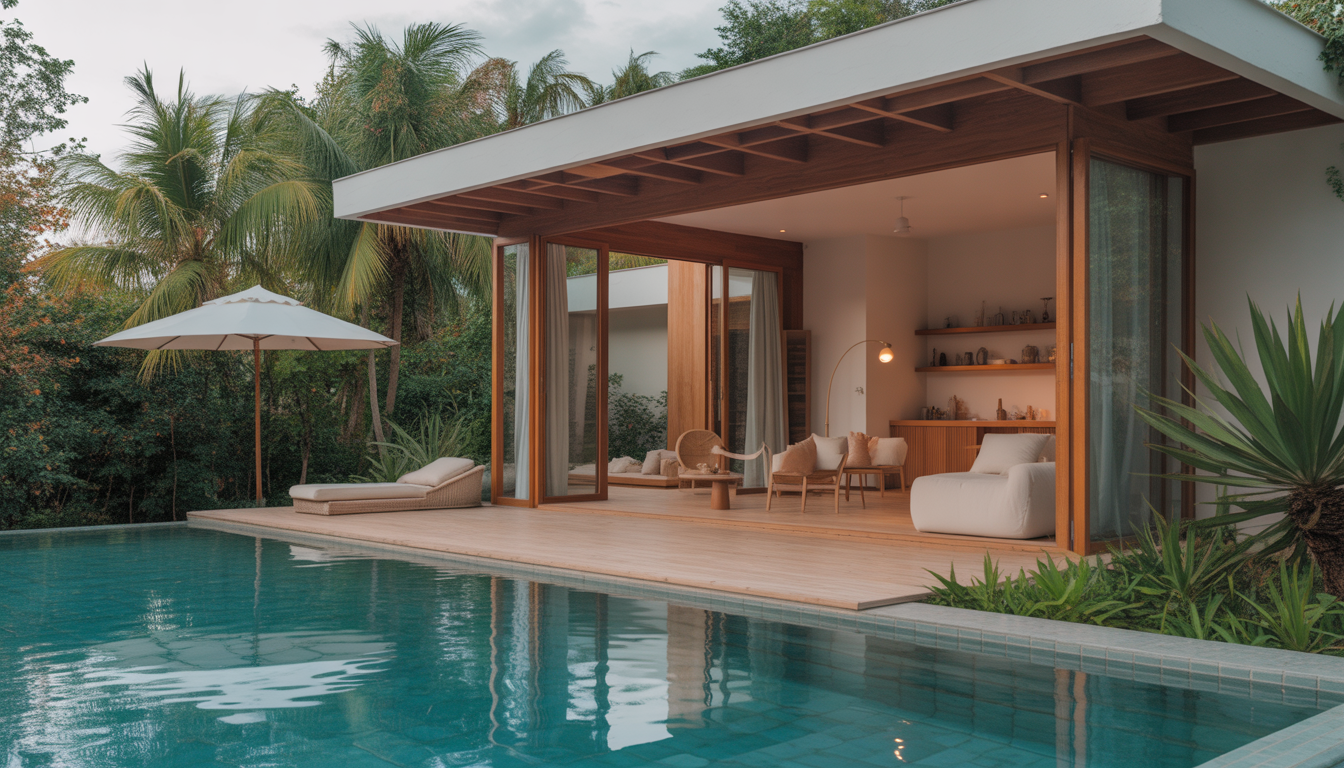
Wellness Amenities are quickly becoming the gold standard in residential real estate, fundamentally changing how homeowners design, value, and experience their living spaces. Homebuyers now expect more than just comfort—they want properties that actively enhance their physical and mental health.
Key Takeaways
- Homes with integrated wellness amenities drive up resale values by 10–25%, with faster sales across growing market segments.
- Implementing wellness features is not only for luxury buyers; affordable, technology-integrated options are increasing accessibility.
- Practical planning and understanding technical challenges are essential to avoid costly mistakes or underutilization of home wellness spaces.
- What Are Wellness Amenities—and Why Do They Matter?
- Step-by-Step Guide to Adding Wellness Amenities at Home
- Advanced Analysis & Common Pitfalls
- Conclusion
- FAQ
What Are Wellness Amenities—and Why Do They Matter?
Wellness amenities in homes encompass design elements and features that directly support physical, mental, and emotional wellbeing. These can include fitness centers, yoga or meditation rooms, saunas, spas, air and water purification systems, advanced climate controls, and even tech-enabled wellness solutions. The explosive growth of the wellness real estate market—reaching $584 billion in 2024 and expected to double by 2029—shows that demand is more than a trend; it is a lasting shift [source]. Properties with wellness features sell faster and command 10–25% price premiums, especially in the middle and upper segments [source].
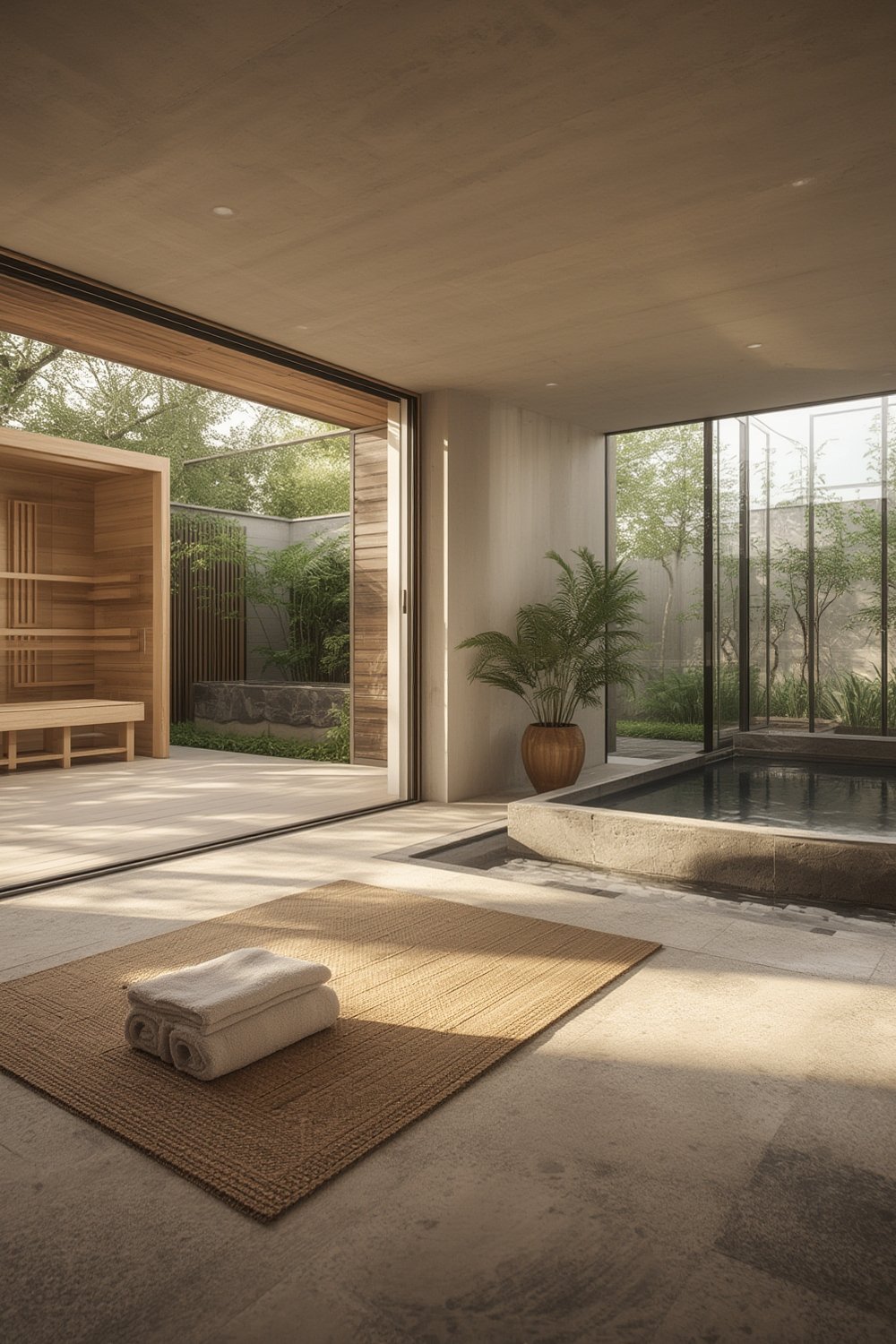
Buyers increasingly expect healthy homes—for themselves and their families. But wellness amenities are not just about status or permanence; they deliver measurable benefits, such as better air quality, easier access to fitness routines, and peaceful zones for stress reduction. For homeowners, these translate directly into higher property values and greater daily enjoyment.
To deepen your approach to holistic home upgrades, pair wellness amenities with smart home improvement strategies for maximum impact.
Step-by-Step Guide to Adding Wellness Amenities at Home
Bringing wellness into your living space does not need to break the bank—or eat up every spare room. Here’s how to make smart, actionable decisions, whether you’re upgrading a condo or retrofitting a family home.
1. Assess Your Goals (and Your Space)
Decide whether your biggest need is physical (like fitness and sweat), mental (quiet, meditation, restoration), or social (inviting family interaction). Map out the most underutilized part of your home to dedicate to the new function.
2. Make It Multi-Purpose
Even a compact area can host various wellness options. Use smart furniture choices—like storage ottomans for yoga blocks, or benches that double as meditation seats. stackable dumbbells, modular mats, and roll-up acoustic panels make transformation quick and simple.
3. Start with Core Amenities
Options include:
- Meditation room: Requires minimal outlay—soft lighting, floor cushions, blackout curtains. Add calming visuals or sound therapy if you wish.
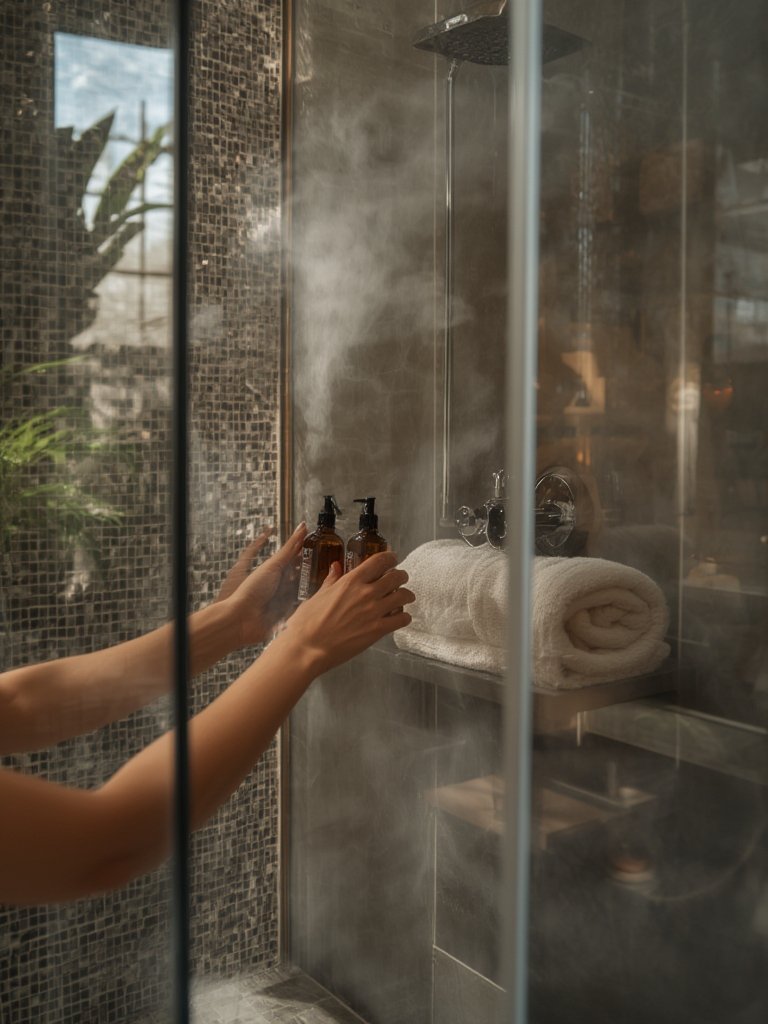
- Infrared sauna: Review installation requirements—infrared units are more compact and energy-efficient than traditional saunas, typically requiring a dedicated electrical circuit and moisture barriers. Placement near a bathroom (for ventilation) is ideal, though you may need advanced planning for HVAC and safe moisture management.
- Fitness zone: Space for movement is priority. Foldable equipment or mounted storage maximizes flexibility.
- Spa features: Even a simple aromatherapy station or a countertop steam unit can deliver day-to-day wellness without significant costs.
4. Integrate Smart Tech
Upgrade with wellness-driven smart home tech. Examples include app-controlled Infrared saunas, air quality monitors, smart circadian lighting, and music or soundscapes tailored for relaxation or focus. Use resource-efficient microgrids if you want energy independence for power-hungry sauna or HVAC features [source].
5. Focus on Practical Upkeep
Prioritize setups that are easy to clean and use. For instance, select non-porous surfaces or humid-resistant decor for saunas or steam features; washable, hypoallergenic fabrics for meditation and yoga spaces; and modular components that can be disassembled for seasonal maintenance. Consider how the addition impacts long-term value: buyers want features that are simple to maintain.
For outdoor wellness ideas, extend your sanctuary beyond the walls with ideas from our lawn & garden enhancement guide.
Advanced Analysis & Common Pitfalls
Despite their appeal, wellness amenities come with realistic challenges. Here are the top pitfalls—plus advanced considerations as the category evolves in 2024 and beyond:
| Challenge | Solution/Consideration |
|---|---|
| High Initial Costs | Start small: meditation corners and basic air purification are affordable. Full spa installs require professional budgeting. |
| Technical Barriers (HVAC, Electrical, Moisture) | Consult with a specialist for sauna installs or major renovations; improper setup leads to product failure or mold issues. |
| Underutilization | Design for versatility to ensure spaces aren’t abandoned after the novelty wears off. Make features accessible and enjoyable for everyday routines. |
| Overemphasis on Luxury | Wellness amenities are not just for high-end homes—affordable features offer high value. Prioritize well-executed basics like lighting, air quality, and flexible space over grand but costly installs. |
| Neglecting Outdoor Spaces | Integrate indoor-outdoor wellness by connecting relaxation or fitness zones to patios, gardens, or decks. Get inspiration from our outdoor living ideas. |
| Lack of Long-Term Planning | Choose universally desirable features that boost resale and adapt as your needs change. Skip highly customized solutions that hurt market appeal. |
| Inadequate Research on User Preferences | Check local trends or seek feedback from future buyers to balance personal and resale value. Don’t assume your favorite feature will command a premium in all markets. |
| Not Accounting for Pets | Choose pet-friendly furnishings and layouts. See our pet owner’s guide. |
A critical but underreported trend is climate-adaptive wellness amenities. For example: install moisture barriers and advanced cooling in sauna areas if you live in a hot, humid, or wildfire-prone region. Tech advances like renewable microgrids are key for powering multiple wellness features efficiently [source].
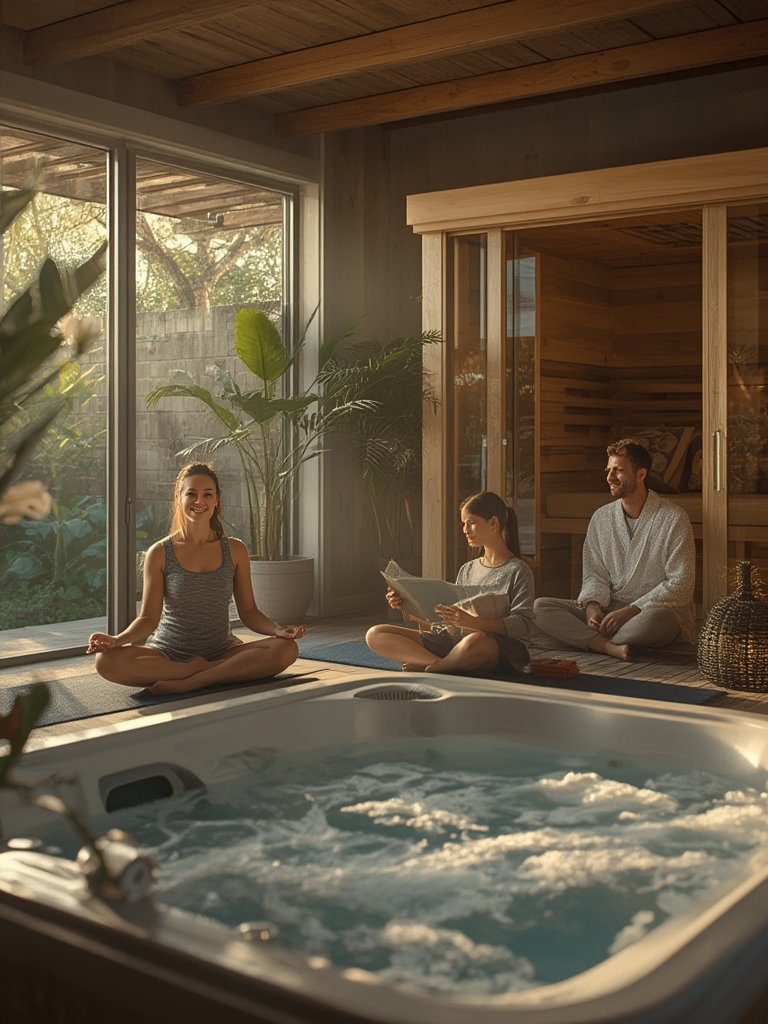
Do not overlook installation requirements. Infrared saunas call for a dedicated GFCI-protected circuit and careful attention to humidity—and not all rooms are suitable. Meditation rooms should avoid locations vulnerable to high traffic or noise. Carefully vet all features before investing.
Ultimately, the key to lasting success is a combination of thoughtful planning, practical design, and flexible features that fit daily routines. Want a dedicated workspace that still leaves room for wellness? Combine your wellness elements with ideas from our home office productivity guide.
Conclusion
Wellness amenities are reshaping how we define “home.” By adding thoughtful wellness features—from a simple meditation nook to a high-tech sauna—you increase both quality of life and property value. The market shows clear demand for accessible, climate-adaptive, and tech-powered solutions. Avoid overcomplicating the process; prioritize upgrades that match your routine, and always plan for practicality and future resale.
Ready to transform your home? Start today by mapping out your first wellness amenities project—and let your living space support your best self.
FAQ
Do wellness amenities really boost home resale value?
Yes, current research shows that homes with integrated wellness amenities sell faster and command a 10–25% price premium, particularly in the middle and upper market segments. See this report for more.
Are wellness features only for luxury homes?
No, many affordable options exist—such as meditation rooms, air purification, or small-scale spa setups—making wellness accessible for non-luxury buyers as well.
What technical issues should I watch for with home saunas?
Infrared saunas require a dedicated electrical circuit, moisture control, and sometimes upgraded HVAC for safe use. Consult a technician before purchase to avoid installation headaches.
How can I make sure my wellness space is used regularly?
Multi-functional design and accessibility are key. Choose features that fit seamlessly into daily routines, like quick meditation breaks or after-workout recovery, so the space stays relevant.
Can I combine wellness spaces with pets or kids in the house?
Yes. Choose pet- or child-friendly furnishings, and consider safety when placing spa or electrical equipment. For more, see our in-depth pet care article.