

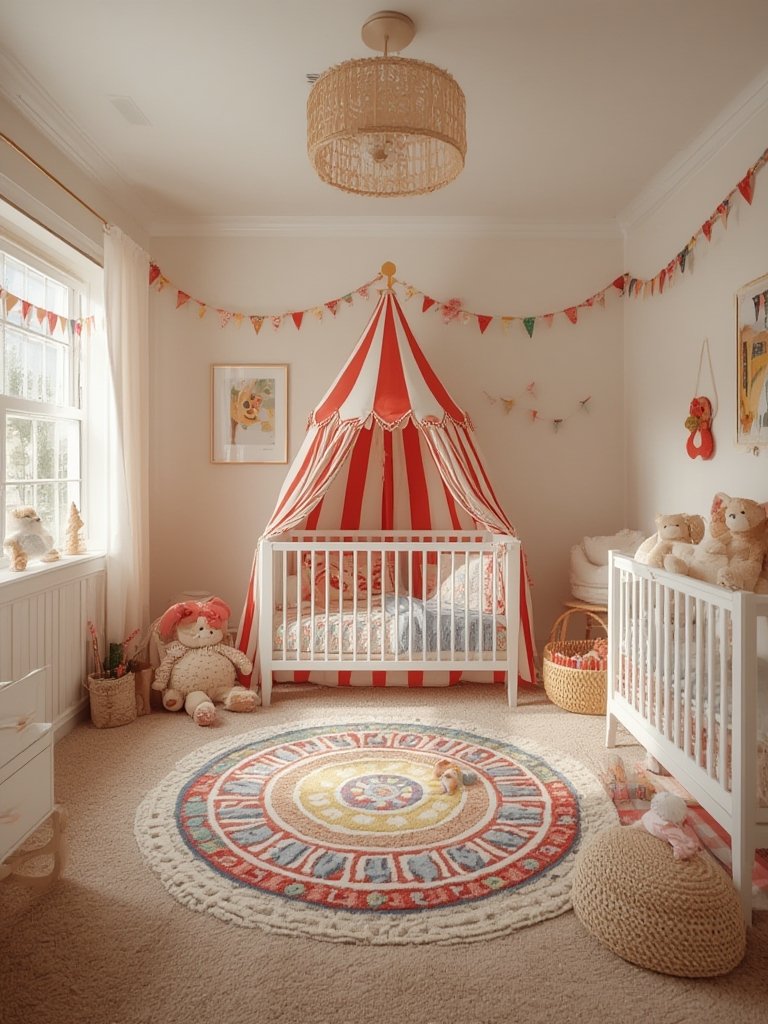
Circus Nursery design is captivating parents in search of playful yet timeless spaces for their babies. But achieving a vintage circus nursery—one that delights without overwhelming, and feels charming rather than tacky—demands thoughtful planning, creativity, and attention to safety and practicality. This guide delivers a realistic, actionable approach, drawing on real-world examples and expert tips for bringing the magic of the big top home.
Key Takeaways
- Success with a circus nursery comes from blending whimsical details with functional design and safety in mind.
- Common pitfalls include electrical layout headaches, overstimulation, and impractical decor choices in high-traffic zones.
- Repurposing vintage finds, DIY art, and strategic use of color help create a non-tacky circus theme without breaking the bank.
- The Core Concept of the Circus Nursery
- Step-by-Step Guide: Creating a Circus Nursery
- Advanced Analysis & Common Pitfalls
- Conclusion
- FAQ
The Core Concept of the Circus Nursery
At its heart, a circus nursery is about curating an environment that feels imaginative and welcoming, drawing in vintage circus flair without overpowering the senses. Parents are shifting towards gender-neutral designs with nostalgic touches: classic circus imagery, soft color palettes, and authentic vintage or handmade accents. Popular decor strategies include reusing old furniture, framing retro illustrations, and adding gold-painted animals for a subtle shimmer. Maintaining balance—between color and calm, statement pieces and simplicity—is critical for an inviting nursery that stands the test of time.
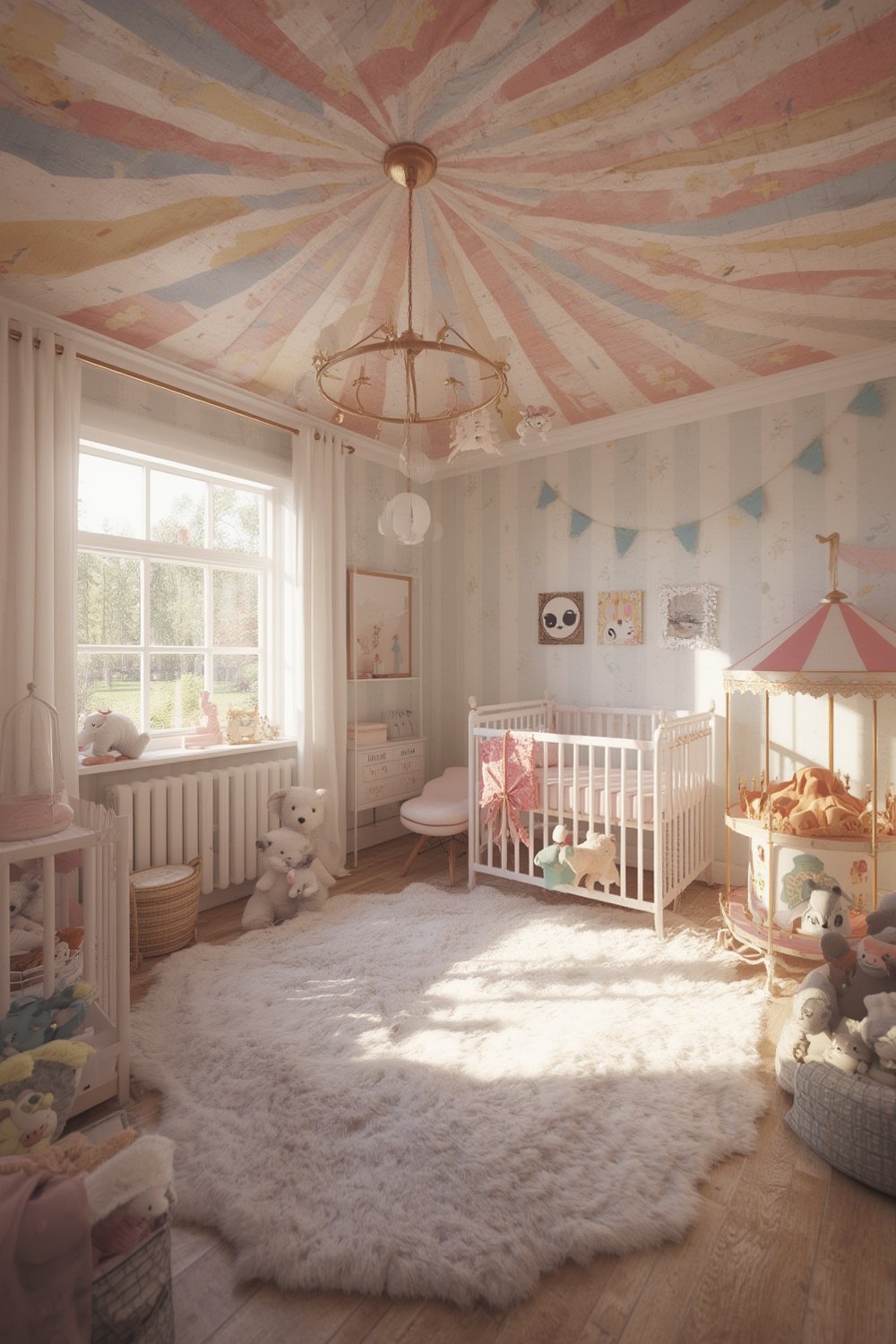
With personal projects leading the way rather than mass marketing, most circus nurseries are unique blends of thrifted finds, DIY art, and practical solutions that bring real personality to the space. Resources like printable circus nursery art and authentic inspiration from DIY blogs help parents achieve an authentic vintage circus look.[1]
Step-by-Step Guide: Creating a Circus Nursery
Ready to create your own circus nursery? Follow these straightforward, realistic steps to design a safe, whimsical space for your child.
- Assess the Space and Fix Structural IssuesInspect wiring, outlets, and lighting. Vintage homes may need updating before any decorating. Fix any problems with electrical outlets, particularly if you only have one outlet in the middle of the wall or outdated electrical setups like knob-and-tube, which is common pain point.[2]
- Choose a Color PaletteGo for a greige (grey-beige) base and white woodwork to create a clean, calm backdrop. This lets pops of primary color and gold accents stand out without ever feeling loud or overstimulating. Avoid glossy paints in high-traffic areas to minimize visible wear.
- Select Core Furniture (Reuse and Repurpose Where Possible)Repurpose sturdy pieces like a wide dresser for changing, a comfortable glider, and a bookshelf. Add organic crib bedding—shop sales, use coupons, and consider high-quality seconds to stretch your budget. Look for durable, washable textiles such as a machine-washable rug (avoid cream or white if your nursery is prone to messes).
- Source or Create Whimsical Decor
- Scan and print illustrations from vintage circus books. Hang above the dresser with painted clothespins for a playful, affordable gallery effect.
- Paint thrifted plastic animals gold to make a DIY menagerie display.
- Frame retro circus posters or buy gentle toned circus art from small sellers for a nostalgic vibe.
- Use a wall canopy (securely anchored, far from baby’s reach) to create a circus tent illusion above the crib.
- Add playful plush animals like a plush giraffe or elephant—a favorite for both look and comfort.
- Optimize Storage and LayoutAdd extra closet rods at child height for a walk-in closet look on a budget. Use vintage bins and repainted bookshelves for toy storage, painted in a bold accent hue like red for a showstopping statement.
- Ensure Everything is Secure and SafeSafeguard mounting hardware on all wall and overhead decor, especially near the crib. Balance function and fun by keeping heavy items out of reach and using sturdy, tip-resistant furniture.
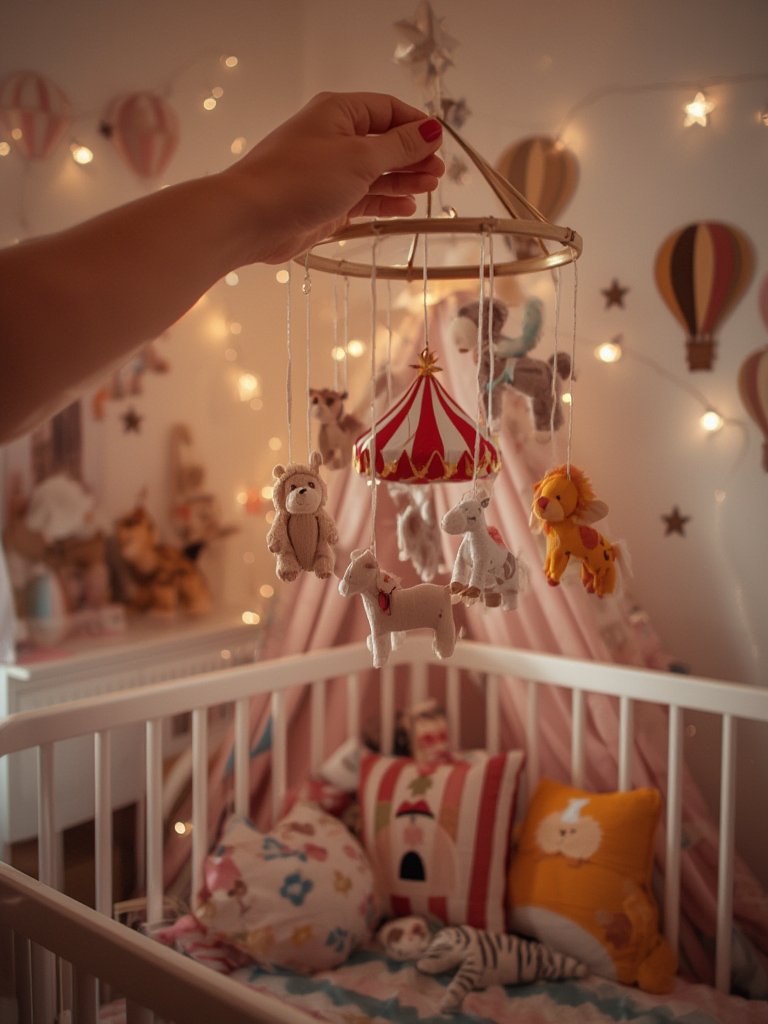
Don’t hesitate to get creative with organizing your nursery. For more inspirational tips on transforming your home with clever furniture selection and home decor trends, check out our guide on furniture to transform your home. And for DIYers looking for more budget-friendly renovation strategies, see our post on home improvement tips and tricks.
Advanced Analysis & Common Pitfalls
No design journey is without roadblocks. Here’s what real parents and design experts highlight as the most frequent circus nursery traps:
| Pitfall | Why It’s a Problem | How to Avoid |
|---|---|---|
| Outdated electrical setups | Inadequate or poorly placed outlets—often only one in the center—can restrict furniture layout and make lighting/décor installation unsafe or unsightly.[3] | Plan for rewiring or extension cords before decorating. Patch and repaint as needed for a professional look. |
| Overstimulating decor | Too-bold colors or prints can overwhelm babies and feel tacky rather than whimsical. | Use calm wall colors and keep bold circus elements as accents—think playful but not garish. |
| Difficult-to-clean fabrics and rugs | Light-colored specialty rugs look great but stain easily in high-traffic children’s rooms.[4] | Buy machine-washable, patterned rugs (avoid creams/whites) for durability and stain camouflage. |
| Unsafe or poorly mounted wall decor | Hanging canopies, art, or mobiles can fall or become hazards if not properly installed. | Always secure wall-mounted items with hardware anchored into studs or high-quality drywall anchors, especially above cribs. |
| Neglected closet organization | A cluttered or hard-to-access closet disrupts daily routines. | Install extra rods and repurposed organizers to maximize space efficiently. |
Addressing these pain points early—and repurposing what you can—keeps your nursery stylish and stress-free. If you want to further upgrade your living space outside the nursery, explore our resources on smart lawn and garden improvements for outdoor inspiration, as well as guidance on creating a productive home office.
Conclusion
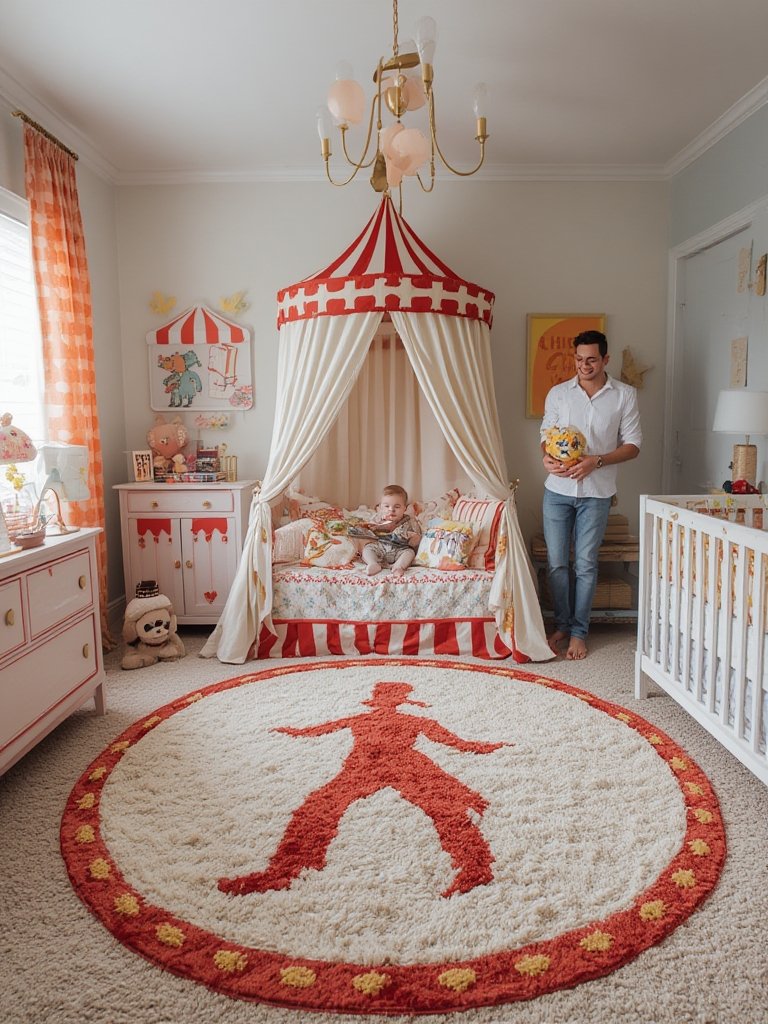
A successful circus nursery combines vintage charm, safe practical layout, and affordable but unique decor. Start with functional updates, build a calming base, then layer in whimsical, personalized details sourced from thrift stores, printable art, and DIY hacks. Small daily routines become moments of joy when you maintain practical organization and keep cleaning easy. Whether you repurpose vintage finds or invest in a few quality, circus-inspired pieces, the circus nursery will delight your family for years to come. Ready to bring the vintage big top to your own nursery? Start planning your design today for a space that’s as joyful as it is functional!
FAQ
How can I keep a circus nursery from feeling tacky or overwhelming?
Choose subtle background colors and limit bold circus motifs to a few key zones, like framed art or a single accent wall. Avoid overly bright stripes or competing patterns. Curate your selections for authenticity and balance whimsy with calm.
What are affordable ways to get vintage circus decor?
Scan and print pages from vintage circus books or source printable art online—Etsy is a great option. Thrift stores and online marketplaces like eBay often have circus lamps, bins, or plush animals at a fraction of retail prices.
What safety precautions should I take with canopy beds and hanging mobiles?
Ensure all overhead or wall-mounted decor is anchored into studs or with strong drywall anchors. Keep canopies and mobiles far out of baby’s reach and check regularly for loose hardware or shifting attachments.
Is it worth hiring a professional for a circus nursery, or can I do it myself?
Most circus nurseries are DIY-friendly. If you’re confident updating electricals, painting, and assembling furniture, you’ll save a lot by handling the project yourself. Consider professional help for complex rewiring or ceiling painting.
How do I organize a circus-themed nursery for maximum functionality?
Use extra closet rods at varying heights, repurpose bins and baskets for small toys, and keep open shelves for easy access. Choose quality furniture that can grow with your child or be easily refreshed in the future.
—