

Contemporary Traditional furniture is making a major impact in today’s living rooms by blending modern comfort with classic elegance, offering a stylish solution for those who want a balanced, timeless look without sacrificing practicality.
Key Takeaways
- This furniture style fuses old and new elements for a refined yet inviting living space.
- Global furniture market trends in 2024 show strong growth, especially in eco-friendly and customizable options.
- Realistic challenges—like mismatching styles and unclear budgets—require a thoughtful, step-by-step approach.
- Understanding Contemporary Traditional Furniture
- Step-by-Step Guide: Designing with Contemporary Traditional Furniture
- Advanced Analysis & Common Pitfalls
- Conclusion
- Frequently Asked Questions
Understanding Contemporary Traditional Furniture
Contemporary Traditional furniture, sometimes called “transitional furniture,” is all about merging the warmth and detailing of traditional pieces with the clean lines and minimalism of modern design. The goal: a timeless look that feels both comfortable and fresh, ideal for homes where lasting value and up-to-date style matter equally.
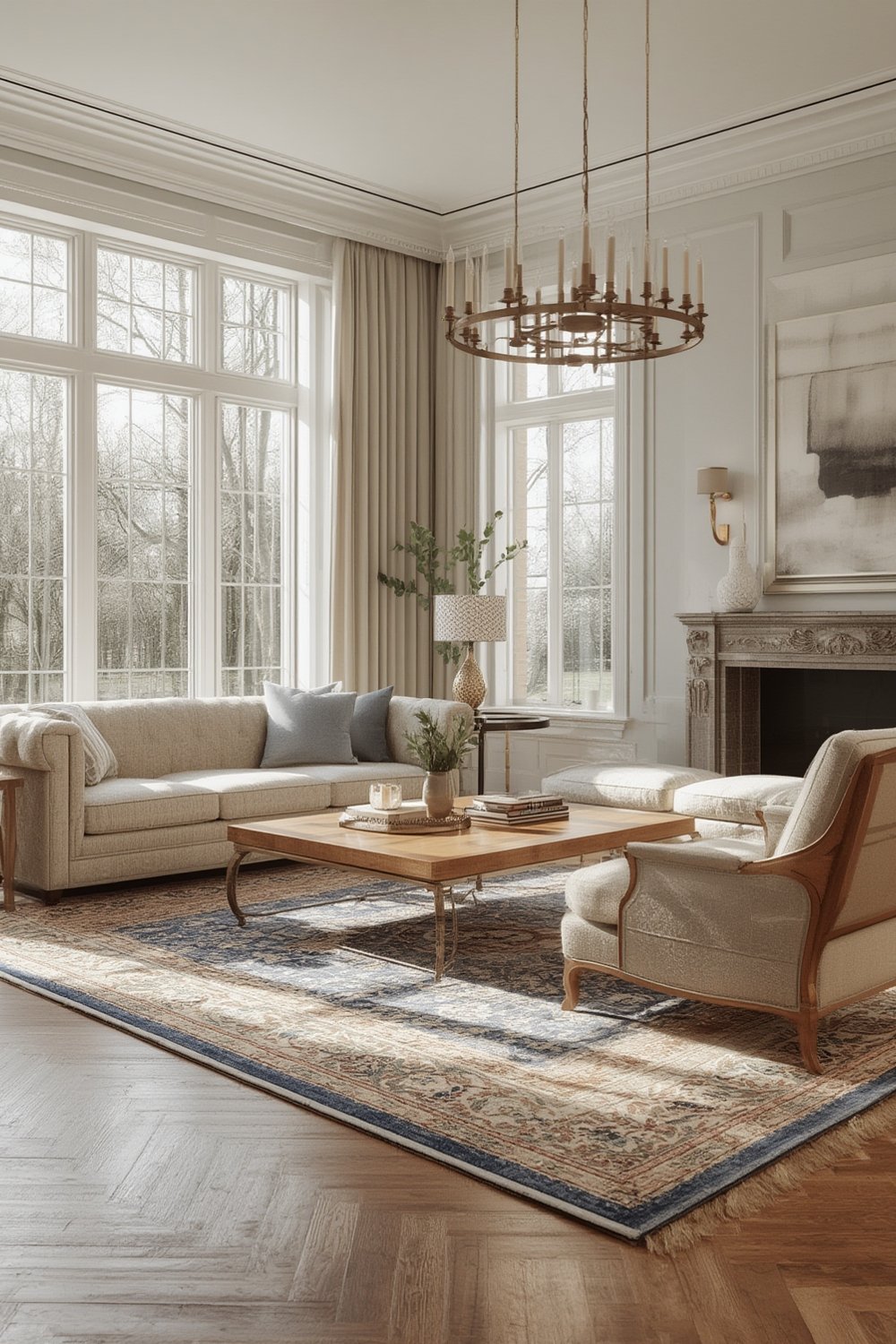
Why is this design trend so popular? Homeowners want spaces that reflect personality without appearing outdated or too trendy. Contemporary Traditional furniture draws from the best of both worlds, making it easy to shift décor as trends evolve and as your own tastes change. The emphasis is on comfort, versatility, and intentional styling—not fussy formality or stark minimalism.
Globally, furniture demand continues to climb. The global furniture market size reached USD 548,954.2 million in 2024, projected to grow at 5.6% CAGR until 2031. Top demand drivers include disposable income, rapid home improvement, and new preferences for personalized and sustainable home items.
Want to deepen your understanding? This style often works hand-in-hand with modern furniture trends and can complement your favorite home improvement projects.
Step-by-Step Guide: Designing with Contemporary Traditional Furniture
Ready to give your living room a collected, contemporary traditional sofa look? Here’s how to approach the process for seamless style and maximum comfort.
- Define Your Room’s Focal Point.
Start by choosing a statement piece—often a sofa, large rug, or feature wall. If you want a contemporary traditional sofa, opt for gently curved arms or tailored silhouettes in neutral upholstery. Balancing scale is key: classic coffee tables pair well with streamlined seating. - Mix Materials Thoughtfully.
Pair solid woods (like oak or walnut) with metals or glass. Layering area rugs, throws, and cushions brings warmth and personality—just watch for overwhelming patterns or clashing tones. - Unify with Color and Texture.
Stick to a soft, restrained palette—think creams, greys, blues, or olives. Use accent pieces for pops of color or metallics. Consistent textures (for example: velvet, linen, nubby wool) help everything “belong.” - Choose Statement Lighting.
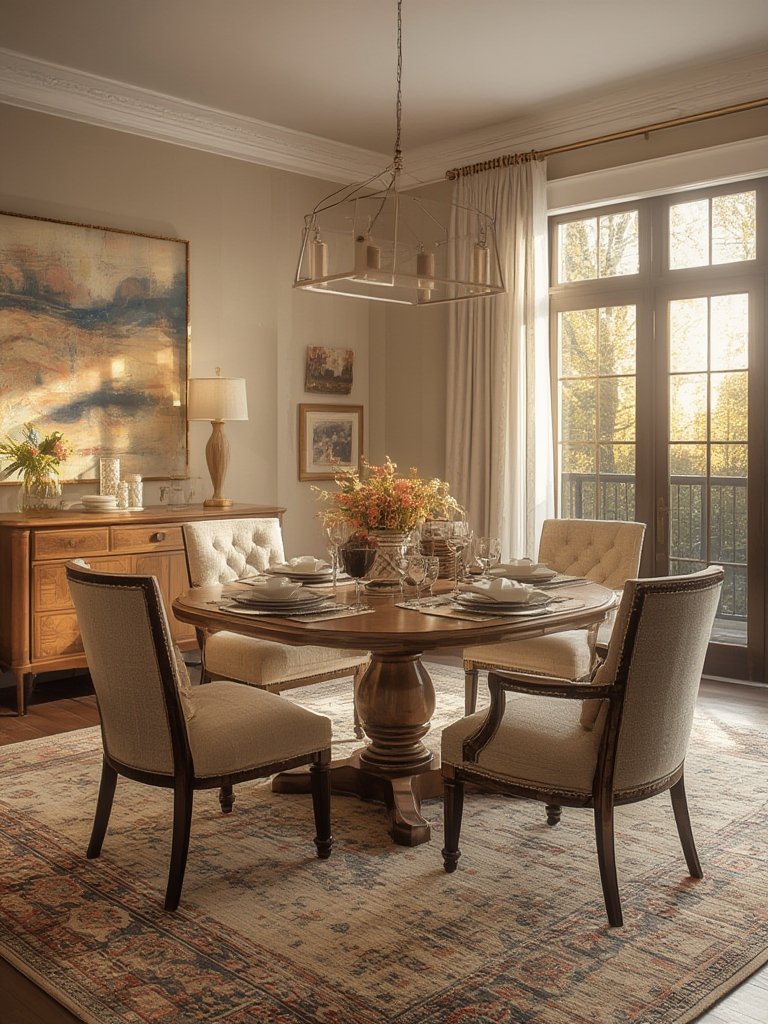
A large traditional chandelier over a modern table, or simple drum lamps on distressed side tables, creates contrast and cohesion. Lighting is the easiest way to marry old and new moods. - Minimize Clutter—But Layer Well.
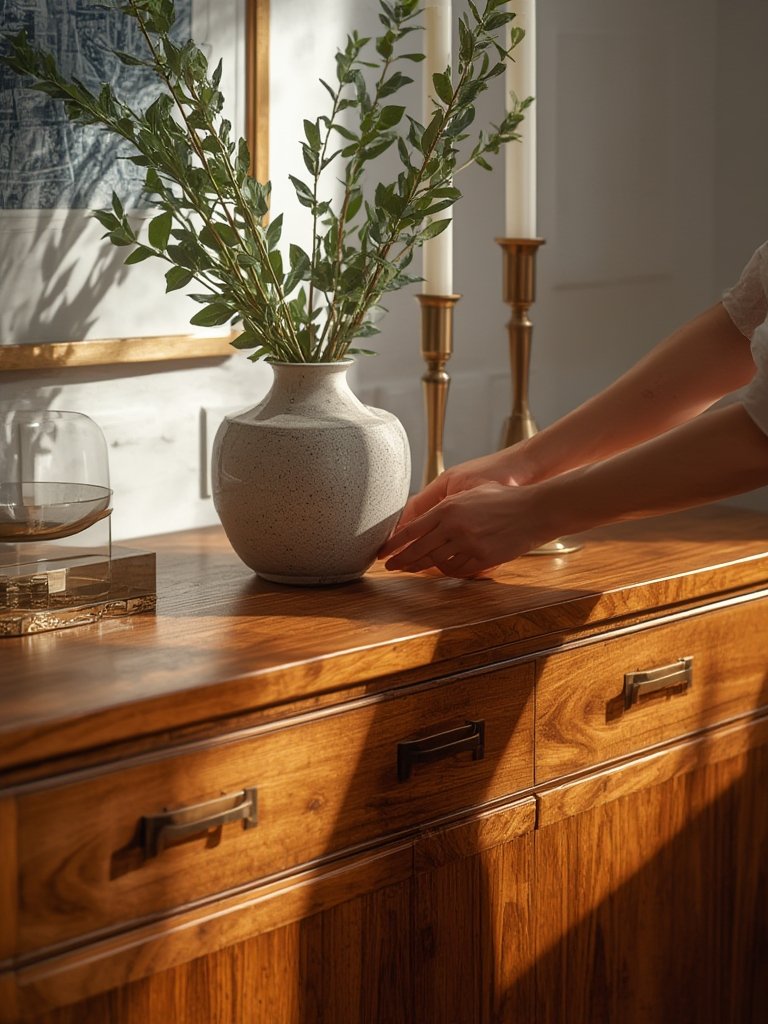
Display a few meaningful heirlooms, vintage books, or contemporary art. Show restraint to avoid a busy or chaotic look. - Personalize.
Your transitional living room should reflect your interests. Rotate decorative items seasonally to keep things lively and relevant.
On a practical note, plan your layout before moving any heavy pieces. Use painter’s tape to mark furniture footprints, ensuring smooth traffic flow. For more on maximizing flow and function, see our guide on workspace organization or explore how furniture selection transforms every room.
Advanced Analysis & Common Pitfalls
While the mix-and-match look is rewarding, there are some realistic issues to anticipate—most of which stem from overzealous blending or underestimating costs and logistics.
- Unbalanced Style: Combining too many ornate traditional pieces with ultra-modern items can make rooms feel fragmented and awkward.
- Budgeting Gaps: Accurate cost estimates for transitional designs are rarely available, and price points can range wildly based on material and customization. There’s potential to overspend, especially when investing in pieces that look beautiful but lack comfort or durability.
- Quality Confusion: Many contemporary traditional sofas now feature sustainable materials like recycled textiles or formaldehyde-free construction. However, not all eco-labeling is equally strict, so double-check before assuming you’ve made an eco-friendly choice.
- Supply Chain Delays: The global supply chain remains unpredictable, impacting both shipping times and some material availability. Work with retailers who offer clear, up-to-date delivery estimates. This is especially vital if you’re ordering from international or boutique brands that lack robust distribution.
| Feature | Contemporary Traditional Sofa | Modern Sofa | Traditional Sofa |
|---|---|---|---|
| Design | Blended (classic lines with modern updates) | Minimalist, straight lines | Ornate details, deep curves |
| Materials | Combo of wood, metal, sometimes eco-friendly fabrics | Metal, synthetic, leather or sleek fabrics | Solid wood, heavy textiles |
| Comfort | Medium-firm, usually plush but supportive | Firm, tailored | Plush, deep seats, sometimes overstuffed |
| Price Points (est.) | Mid to high ($800-$2,500+) | Mid to high ($900-$2,200+) | Varies widely ($700-$3,500+) |
For a broader view of the home furniture market’s future, see data from Allied Market Research.
Conclusion
Choosing and styling Contemporary Traditional furniture for your home is all about balance—merging the best of time-honored craftsmanship with modern simplicity. Study your space, build a mood board, and take it step by step to avoid mismatches or budget surprises.
Remember: This design approach not only refreshes your rooms but also grows with your tastes. Ready to transform your living room or home office? Start experimenting today, and visit our guides to home renovation and productivity spaces for more inspiration. Your dream blend of traditional soul and modern spirit awaits!
Frequently Asked Questions
What is the core idea behind contemporary traditional furniture?
It’s about merging classic shapes, comfort, and materials with clean lines and updated features, resulting in a timeless look suitable for many home styles.
Can I mix heirloom antiques with modern couches in a contemporary traditional room?
Yes, as long as you balance scale, color, and texture. Use unifying rugs or art to pull the look together.
Is contemporary traditional furniture more expensive than modern or traditional styles?
Prices can be similar, but custom pieces or high-end finishes may cost more. Expect mid to high price points, especially for sofas and large wooden items.
Are there eco-friendly options in contemporary traditional furniture?
Absolutely. Many brands offer recycled fabrics, sustainably harvested wood, and low-emission finishes. Always check certifications for authenticity.
Where can I find more inspiration for blending home decor styles?
Our post on furniture to transform your home covers trends, tips, and practical ideas for every room.