

How to polish wood furniture is a must-know skill for anyone serious about maintaining their home’s charm. Whether you own antiques or modern pieces, proper polishing enhances beauty and extends the life of wood furniture.
Key Takeaways
- Routine polishing with the right products keeps wood furniture looking its best and prevents premature aging.
- Store-bought polishes offer convenience, but DIY natural alternatives are increasingly popular for health and eco reasons.
- Technique matters more than brand—understanding the cleaning and polishing process reduces mistakes and damage.
The Core Concept
Polishing wood furniture preserves its surface, improves its shine, and can defend against environmental damage. Over time, dust, fingerprints, and exposure to sunlight can dull wood finishes. Polishing acts as both a protective and restorative measure, especially when paired with good maintenance. Most commercial polishes promise easy shine but may contain volatile organic compounds (VOCs) or unnecessary chemicals that some homeowners prefer to avoid in favor of DIY or natural alternatives. Studies show a market shift away from chemical-heavy options, as health and sustainability move to the forefront of consumer decision making (source).
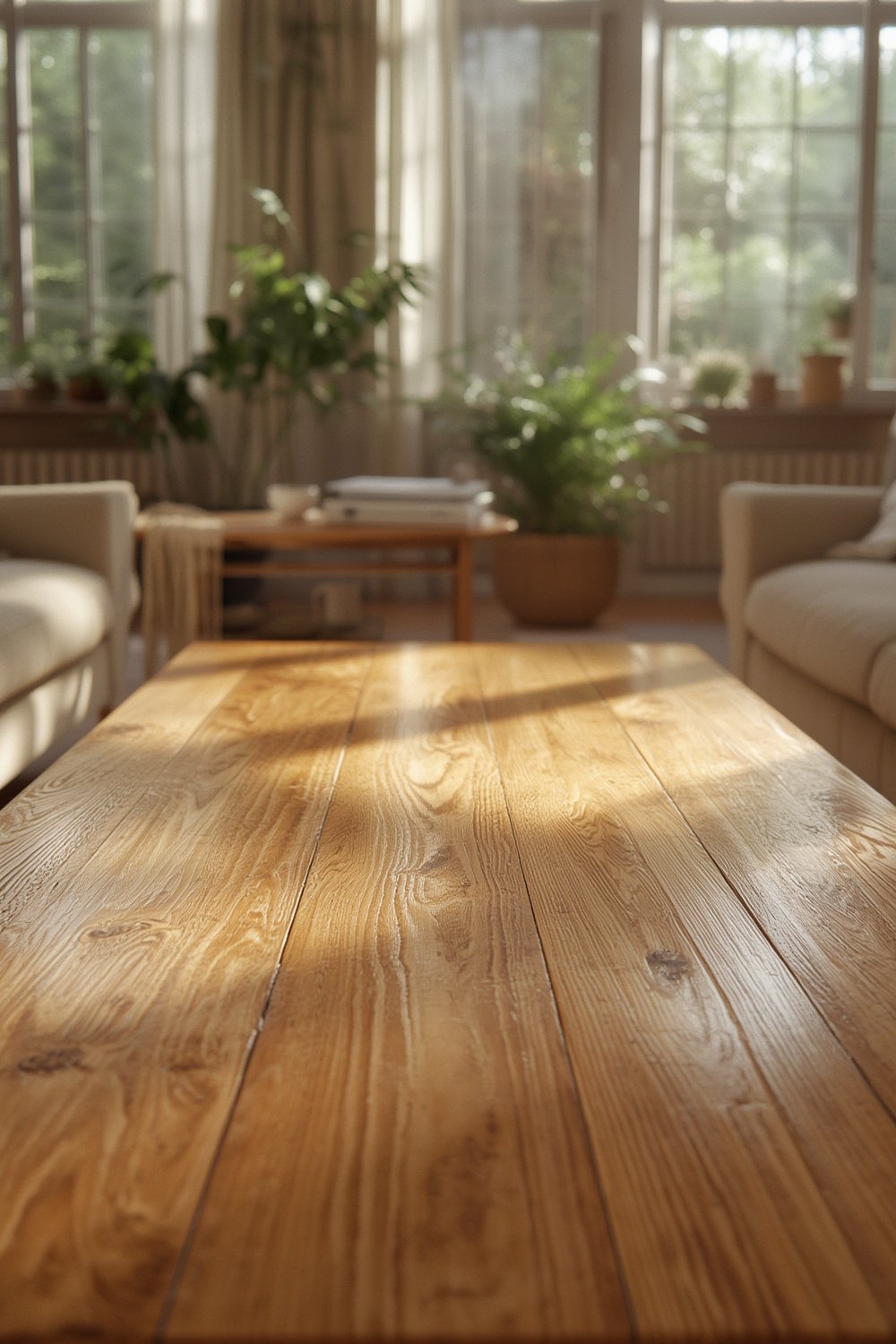
Routine care isn’t just about visual appeal—it’s about defending your investment. When properly maintained, wood furniture lasts generations, maintains value, and even gains character. On the other hand, neglect or misapplication of polish can lead to sticky buildup or dull residue, especially on pieces with intricate carvings or original finishes. That’s why knowing exactly how to polish wood furniture, and which pitfalls to sidestep, makes all the difference.
Step-by-Step Guide
The best way to polish wood furniture involves a stepwise approach—don’t skip ahead, and always test products in an inconspicuous area first.
- Dust Surface Thoroughly: Use a soft, dry microfiber cloth. Avoid feather dusters that can scatter particles or scratch the surface.
- Clean Gently If Needed: For sticky or grimy spots, dampen a cloth lightly with plain water or a very mild wood-safe soap solution. Wipe and dry immediately. Letting moisture sit is risky.
- Pick Your Polish:
- If using a store-bought polish, review the label for VOC warnings and safe-use instructions. Water-based options tend to be less toxic and are growing in demand (source).
- For DIY polish, a simple blend of 2 parts olive oil to 1 part white vinegar provides shine and cut through grime. For natural beeswax polish, melt 1/4 cup beeswax with 3/4 cup olive oil and let cool.
- Apply Polish Sparingly: Place a small amount on a clean, soft cloth. Rub gently into the wood, following the grain. Avoid circular motions that can cause swirling.
- Buff to Finish: Wait a few minutes, then use a fresh dry cloth to buff the surface. This removes excess polish and reveals the shine without leaving sticky buildup.
If you need more renovation and cleaning tips, check out our Home Improvement: Tips, Tricks & DIY Projects guide for ideas on integrating wood care into broader home routines.
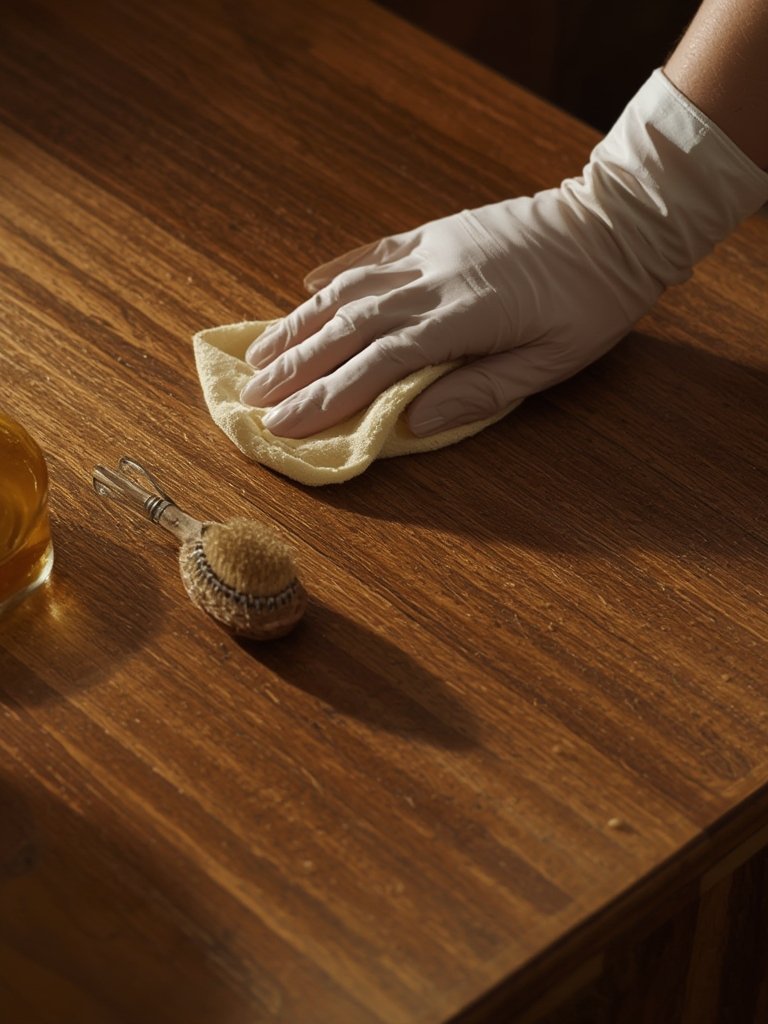
Repeat this process as needed based on visible dullness or roughness. For high-traffic surfaces like dining tables, monthly polishing may be ideal; for display pieces, every few months is enough. If you have modern or antique pieces, remember to review manufacturer instructions before applying any polish.
To further enhance your interior, don’t miss Furniture to Transform Your Home, which covers furniture selection, style, and maintenance tips to elevate every room.
Advanced Analysis & Common Pitfalls
Most DIY guides gloss over the tough realities of wood furniture polishing. According to recent market research, more consumers are wary of ingredient safety and effectiveness, prompting many to experiment with DIY methods—but this brings its own risks. Here’s what often goes wrong:
- Buildup from Over-Polishing: Applying too much polish leaves a sticky, dust-attracting residue and can eventually dull the look rather than shine it.
- Incorrect Product Choice: Some polishes are not compatible with certain finishes. An oil-based polish may cloud a lacquered surface, while a solvent-based product could damage water-based sealed wood.
- Neglecting Cleanliness: Polishing without dusting first grinds grit into the finish, causing micro-scratches.
- Ignoring Manufacturer Care Guidelines: Some modern finishes require minimal or special care. Always check labels when available.
- Using Harsh Cloths: Abrasive pads or even worn-out microfiber can scratch delicate finishes, so softness is essential every time.
- DIY Polish Pitfalls: While eco-friendly and low-VOC, natural recipes can sometimes leave uneven finishes or turn rancid if not made and stored properly (source).
If you’re deciding between hiring a pro and going DIY, note that while professional restoration may deliver a flawless finish, it comes at a premium. DIY costs far less—mainly the price of ingredients or polishes and a few cleaning supplies—but success depends on your skill and attention to detail. Unfortunately, specific cost and longevity comparisons are largely anecdotal (source).
| Method | Approximate Cost | Longevity (Anecdotal) | Common Downsides |
|---|---|---|---|
| Professional Restoration | High (hundreds to thousands per piece) | 12+ months per application | Expense, scheduling, less hands-on control |
| DIY (Store-Bought Polish) | Low (under $30/year) | 1–4 months | Chemical exposure, residue buildup, VOCs |
| DIY (Natural/Beeswax/Vinegar) | Very Low (under $10/year) | 1–2 months | Potential for uneven shine, can turn rancid if not stored well |
Looking for more ways to style and protect your wooden investments? Explore our expert advice in Furniture to Transform Your Home and discover inspiration for every room. For related cleaning and home project ideas, check our home improvement resource.
Conclusion
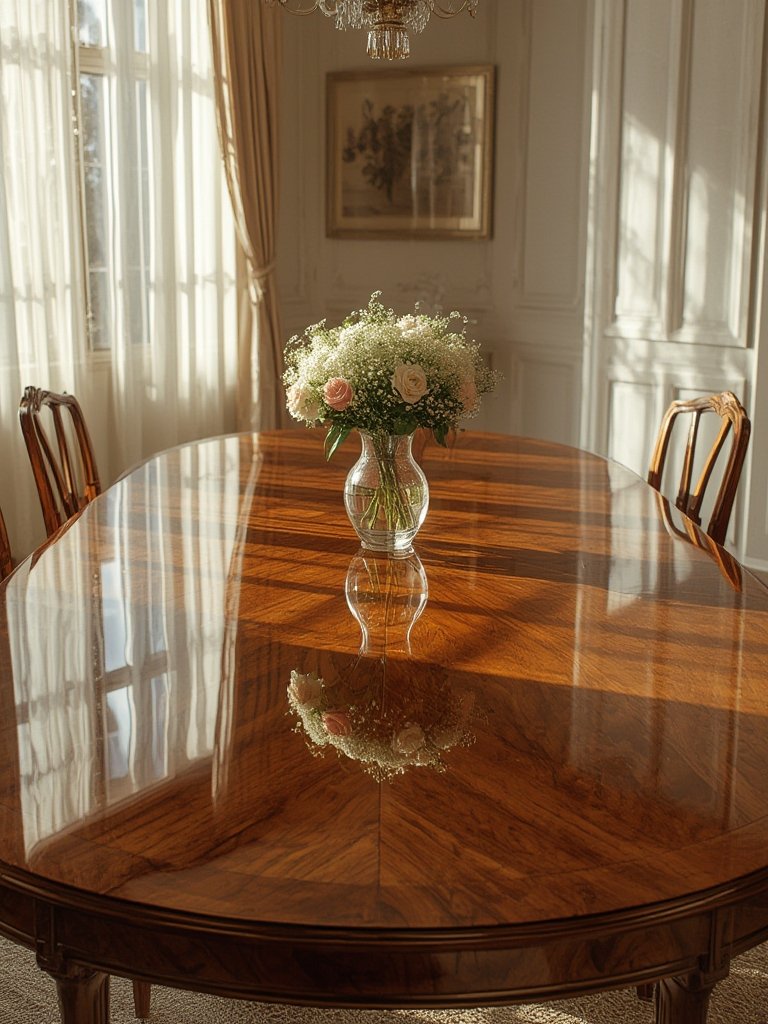
Mastering how to polish wood furniture means more than a quick shine—it’s about extending beauty and longevity, while avoiding common pitfalls like buildup or chemical residue. With the right approach, you can preserve your furniture’s value with minimal investment. Consistency, gentleness, and product awareness are key.
Ready to revitalize your space? Start with these steps on how to polish wood furniture and keep your home looking its best. Discover more ways to refresh and update your home with our Home Improvement guide. Share your own polishing experiences or questions in the comments below!
FAQ Section
How often should I polish wood furniture?
Most furniture does well with polishing every 2–3 months, but high-traffic pieces might need attention monthly. Avoid over-polishing to prevent buildup.
Can I use olive oil alone as a polish?
Olive oil can add shine, but when used alone, it may leave a residue or attract dust. For best results, mix with vinegar or use a beeswax blend.
Should I polish antique wood furniture?
Yes, but use non-silicone, natural wax or oil-based polishes. Always test first and consult a restoration specialist if unsure about the finish.
What’s the risk of store-bought polishes?
Some contain chemicals like VOCs, which can affect indoor air quality. They may also leave a buildup or sticky residue if not used sparingly.
Where can I learn broader home care tips?
Visit our home improvement guide for comprehensive strategies on maintenance, renovation, and cleaning.