
Smart Home Health is changing how we live, monitor our spaces, and support long-term wellbeing—often without us realizing it. Whether you want cleaner air, better sleep, or peace of mind about water quality, the right smart technologies can help—but they bring real-world trade-offs that savvy homeowners should know.
Key Takeaways
- Smart home health combines connected devices—like smart air quality monitors and circadian lighting—to support physical and mental wellness at home.
- Major benefits include convenience and early issue detection, but potential accuracy and maintenance challenges are often overlooked.
- Costs and integration are real pain points, especially as incentives and proven health outcome data remain limited in 2024.
- The Core Concept: What Is Smart Home Health?
- Step-by-Step Guide: Building a Smart Home Health System
- Advanced Analysis & Common Pitfalls
- Conclusion
- FAQ Section
The Core Concept: What Is Smart Home Health?
Smart home health means integrating connected technologies into your living space to track and manage personal wellbeing. These include smart air quality monitors, water filtration systems, circadian lighting, and remote patient monitoring. The global market is rapidly expanding, hitting USD 23.01 billion in 2024 and expected to surge further in the next decade (source).
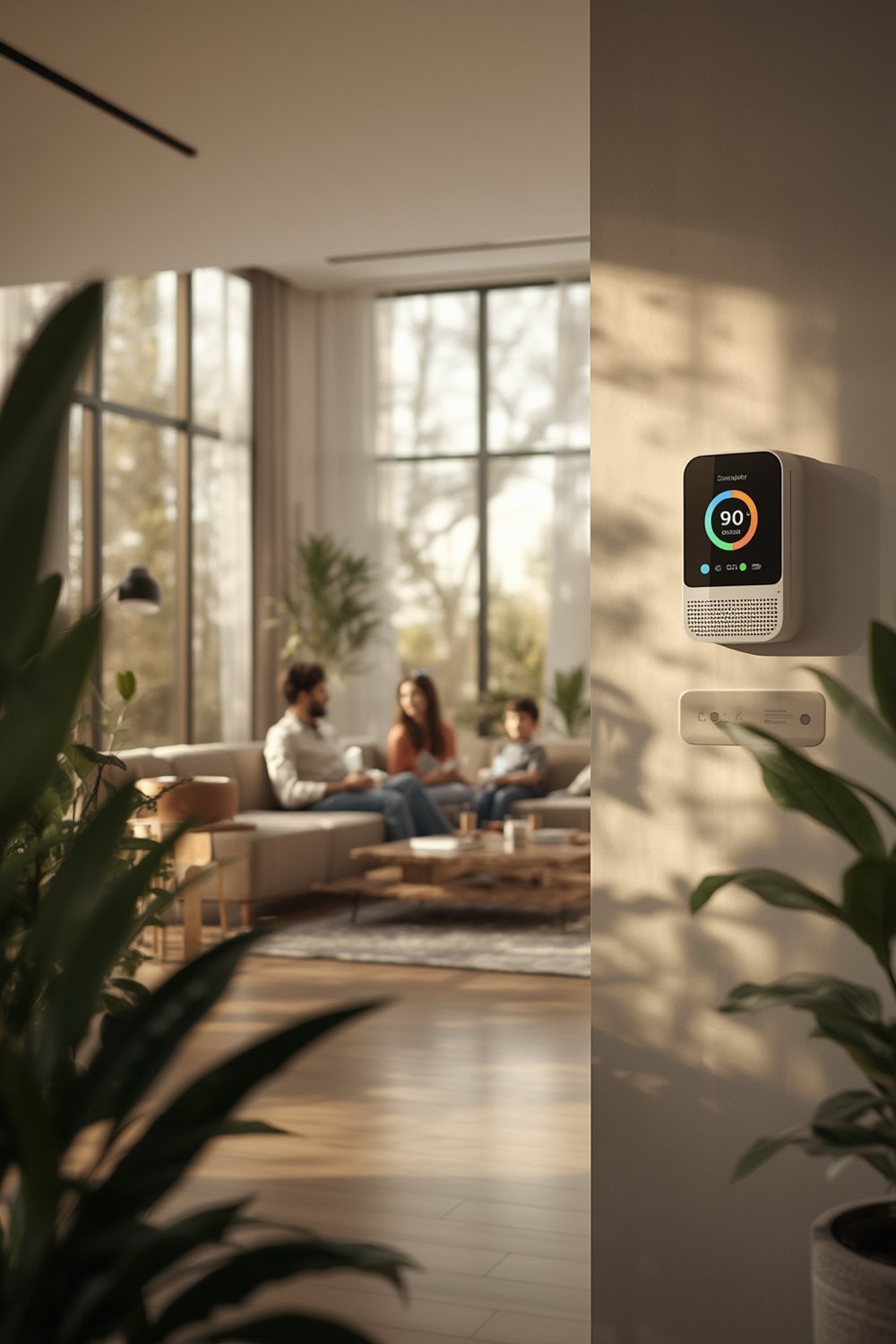
The goal? Create an environment where smart devices work together to increase energy, reduce health risks, and support everyday routines. Examples include:
- Smart air quality monitors for tracking pollutants
- Water filtration with sensor-enabled filter changes
- Lighting that follows your natural circadian rhythm
Smart home health is different from standard home improvement because it directly targets personal health, not just aesthetics. Integrating these products requires thoughtful planning, but rewards include long-term comfort, better sleep, and more control over indoor quality.
Still, despite rapid adoption—93% of Americans own at least one smart device (source)—adoption of health-specific devices is less clear, with gaps in known satisfaction and health outcome data.
Step-by-Step Guide: Building a Smart Home Health System
If you want real smart home health benefits, follow these actionable steps. Skipping or rushing any one can cost you time and limit your results.
- Assess Home Needs
Walk through your home and identify key problem areas (humidity, dust, water taste, poor sleep, etc). Older homes or those in high-pollution areas often benefit most from air and water sensors. If you want to combine health with modern furniture upgrades, look for devices that are discreet and blend into your decor. - Research Device Options
Compare different brands for smart air quality monitors, filtration systems, and circadian lighting. Look for Wi-Fi/Bluetooth compatibility, easy app controls, integration with existing hubs, and replaceable parts. Verify warranty and support details, since these affect long-term reliability. - Plan Integration
Use a single hub (such as Google Home or Apple HomeKit) when possible. This simplifies installation and future control. Watch out for product compatibility and potential gaps between brands. - Install Devices Correctly
Always follow detailed setup guides, especially for smart water systems or wiring for lighting. Poor installation can cause accuracy issues or extra maintenance. If you have a large yard, coordinate schedules for device installation with outdoor landscape projects to avoid disruption. - Set Up Routines & Alerts
Use app notifications or smart speaker voice commands to get real-time alerts about air quality, filter changes, or optimal light settings for daytime vs evening. - Monitor & Maintain
Replace filters and sensors on schedule. Calibrate monitors if performance seems inconsistent. Schedule periodic reviews of your system in the same way you might update a home office or tech setup. Document issues to spot trends. - Review and Adjust
Gather user data via app reports, note any improvement (like better sleep or fewer headaches) and adjust device settings as needed. Upgrade when older devices become unreliable or cannot integrate.
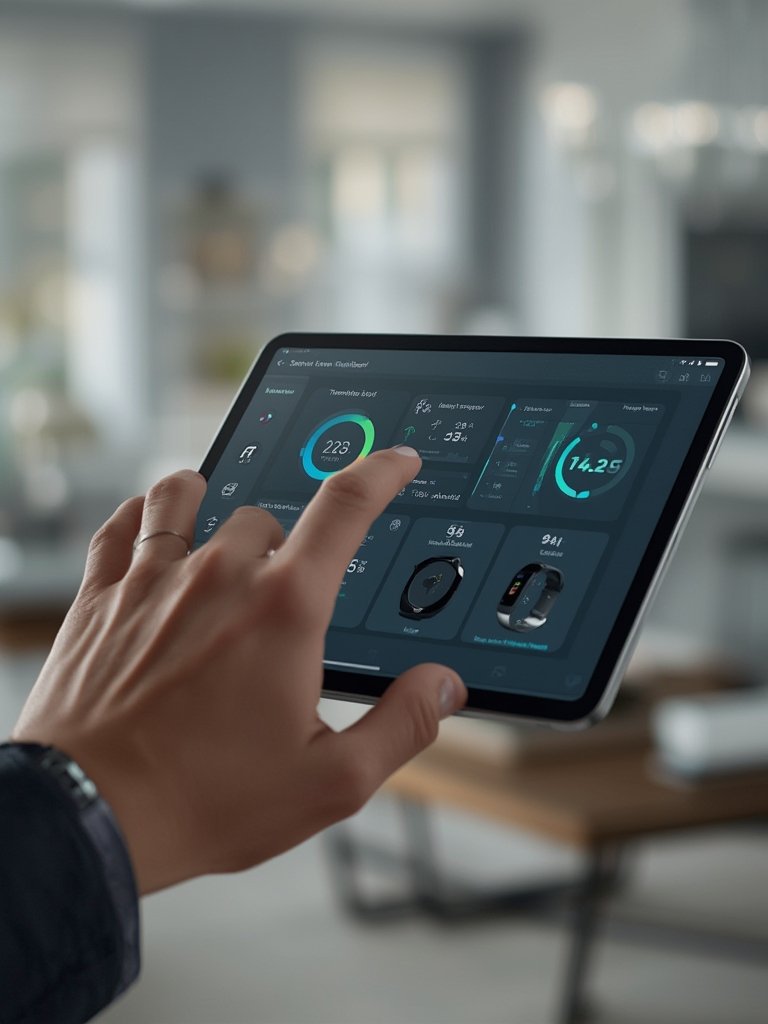
Throughout this process, weigh ongoing subscription or filter replacements costs before committing to any one brand. If you have pets or frequent guests, select devices rated for high-traffic and varied environments—details you can cross-reference with our pet care tips.
Advanced Analysis & Common Pitfalls
With all the promises around smart home health, it’s important to be realistic about issues homeowners face after adding these systems.
Common Pitfalls
- Lack of Proven Health Outcomes: Despite ambitious claims, no 2024 clinical studies or user reports confirm measurable improvements in sleep, allergen reduction, or hydration for systems using air quality monitors, smart water filtration, or circadian lighting (source).
- Hidden Costs: Upfront device expenses are high, but maintenance—especially filter replacements, recalibrations, and failed integrations—can add more over time. There’s little public data on total cost, so be prepared for surprises (source).
- Integration Frustrations: Many devices claim hub compatibility, but real-world integration (especially with competing brands) can lead to unreliable performance, duplicate notifications, or even device lockouts.
- Maintenance Overload: Most devices require manual cleaning, software updates, or filter swaps that are easily overlooked unless you stay organized—similar to the upkeep demands in large DIY projects.
- Privacy Worries: Any connected sensor means more data collected in the home, raising digital security and privacy issues. This is especially relevant with health-related monitoring (source).
- Weak or Missing Incentives: Most regions, including North America, lack home insurance discounts or government rebates for these health-focused upgrades, despite favorable market policies (source).
Device Feature Comparison (2024 Generalized Data)
| Device Type | Accuracy | Connectivity | Integration | Typical Maintenance |
|---|---|---|---|---|
| Air Quality Monitor | Mediocre to High (varies by brand, calibration needed) |
Wi-Fi, Bluetooth, some Zigbee | Usually app, some hub integration (can be clunky) | Monthly cleaning, annual recalibration, filter swap |
| Smart Water Filtration | Moderate (sensor-based alerts sometimes inaccurate) | Wi-Fi, sometimes direct app only | Limited; best with proprietary apps | 3-6 month filter changes, annual system check |
| Circadian Lighting | Good for timing; color accuracy varies | Wi-Fi, Zigbee, Thread, Bluetooth | Google Home, Alexa, Apple HomeKit (integration gaps common) |
Firmware updates, bulb lifespan 3–7 years |
Ultimately, performance often depends less on device price and more on how well you understand and plan for these potential frustrations. If you value ease and want a seamless experience, weigh these trade-offs before significant home investments—whether it’s for tech or for that new furniture upgrade you’ve been eyeing.

Conclusion
Smart home health is about building a personalized, technology-driven environment that can support real wellness, but results depend on smart choices, realistic expectations, and thorough integration. Until more clinical data and cost incentives appear, approach each upgrade as a step in your overall home journey—one that sits alongside outdoor projects, decor, and workspace improvements. Ready to start your smart home health journey? Map your needs, check integration, and weigh ongoing costs to get the most out of your investment.
FAQ Section
Do smart home health devices really improve wellbeing?
They offer potential benefits like better air quality, reminder routines, and customized lighting. However, there’s no conclusive clinical data for measurable outcomes as of 2024—use them as one part of a bigger health management plan.
What’s the biggest ongoing cost for smart home health systems?
The main expenses are filter replacements for water and air devices, ongoing software or cloud subscriptions, and periodic calibration or repairs.
Are smart home health systems difficult to install?
Difficulty depends on device type. Plug-and-play devices (like stand-alone air monitors) are easy, while whole-house water filtration or circadian lighting often need professional installation and setup.
Can I connect smart health devices to other smart home systems?
Many devices work with popular hubs, but expect some integration hiccups. Mixing brands can cause notification overlaps or control issues.
Are there rebates or insurance discounts for installing these technologies?
No. As of 2024, there are no widely available rebates or home insurance discounts for most smart home health devices, despite the growing market.