

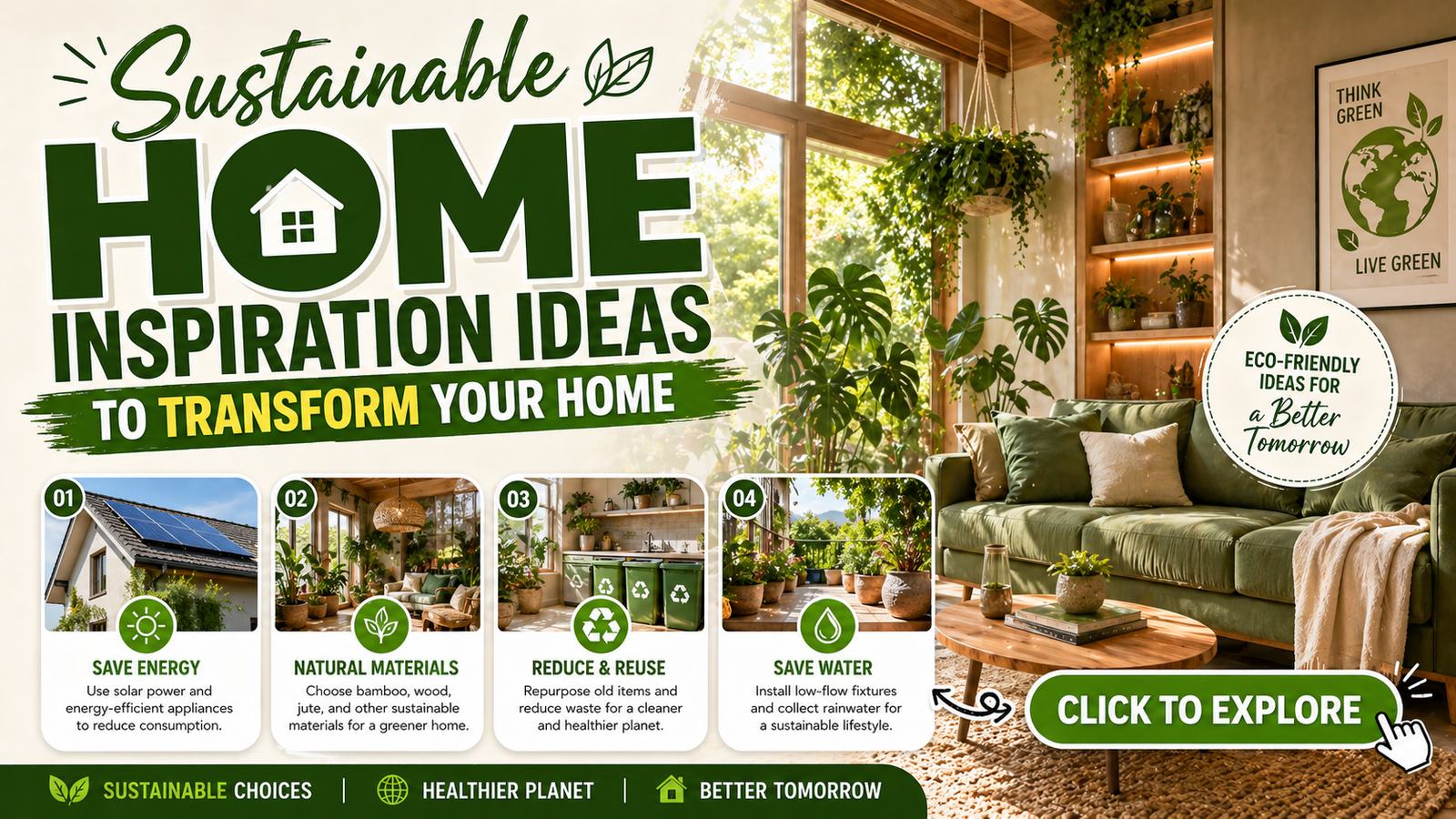
Have you ever walked into a room and felt an immediate sense of peace? Your living space is more than just walls and furniture; it is the backdrop of your life. Finding Sustainable Home inspiration allows you to align your personal sanctuary with the values you hold dear. It is about creating a retreat that feels good while respecting the planet.

Making intentional design choices helps you build a healthier environment for your family. You do not need to sacrifice luxury to achieve this balance. By choosing quality materials and efficient systems, you turn your residence into a conscious masterpiece. This journey toward a better lifestyle starts with small, thoughtful changes that provide lasting inspiration for your daily routine.
Key Takeaways
- Prioritize natural materials to improve indoor air quality.
- Focus on energy-efficient upgrades to lower utility costs.
- Select timeless furniture pieces that reduce waste over time.
- Embrace minimalism to create a calm and functional living area.
- Small, intentional design shifts lead to a healthier lifestyle.
The Philosophy of Eco-Friendly Living
Embracing a sustainable lifestyle starts with a fundamental shift in how you view your living space. It is not merely about selecting the right products, but about cultivating a mindset that values longevity and environmental harmony. By exploring various eco-friendly house ideas, you can begin to see your home as a living system that interacts with the planet.

Defining Your Green Vision
To succeed in your renovation journey, you must first define what sustainability means to you personally. Whether your goal is to reduce your carbon footprint or to create a healthier indoor environment, having a clear vision helps you prioritize your projects. This sustainable living inspiration acts as a compass, ensuring that every change you make aligns with your core values.
Start by listing the areas of your home that feel disconnected from your environmental goals. When you focus on intentional improvements, you avoid the trap of impulsive, wasteful spending. A well-defined plan allows you to tackle projects in stages, making the entire process feel manageable and rewarding.
The Long-Term Benefits of Sustainable Choices
Investing in high-quality, eco-conscious materials often requires a higher initial cost, but the long-term rewards are significant. You will likely notice lower utility bills and reduced maintenance needs over time. Furthermore, choosing non-toxic materials creates a healthier living space for your family, which is an invaluable benefit.
The following table highlights how sustainable choices compare to traditional alternatives in terms of impact and value:
| Feature | Traditional Choice | Sustainable Choice | Primary Benefit |
|---|---|---|---|
| Insulation | Fiberglass | Sheep’s Wool or Cellulose | Better Air Quality |
| Lighting | Incandescent Bulbs | LED Technology | Energy Efficiency |
| Flooring | Synthetic Carpet | Bamboo or Cork | Renewable Sourcing |
| Paint | High-VOC Paint | Low-VOC/Natural Paint | Reduced Toxins |
Ultimately, your commitment to sustainable living inspiration transforms your house into a resilient home. By making thoughtful decisions today, you are building a legacy of efficiency and comfort for the future. Every small step contributes to a larger, positive impact on the world around you.
Energy Efficiency and Smart Home Upgrades
If you are looking for eco-friendly house ideas, focusing on energy performance is the best place to start. Improving how your home consumes power is a cornerstone of any modern renovation. These changes significantly reduce your carbon footprint while lowering monthly utility bills.

Optimizing Insulation for Climate Control
Proper insulation acts as a thermal barrier that keeps your home comfortable throughout the year. By sealing gaps and using high-quality materials, you maintain stable indoor temperatures regardless of the external climate. This essential step prevents energy loss and reduces the strain on your heating and cooling systems.
Investing in high-performance insulation is one of the most effective eco-friendly house ideas for long-term savings. When your home is well-sealed, you require less electricity to keep your living space cozy. This creates a more sustainable environment for your family while increasing the overall value of your property.
Smart Thermostats and Energy Monitoring Systems
Modern technology allows homeowners to take full control of their power consumption. Smart thermostats learn your daily schedule and adjust temperatures automatically to save energy when you are away. These devices provide real-time data, helping you identify exactly where your energy usage spikes.
By integrating these systems, you gain a clearer picture of your household efficiency. You can track usage patterns and make informed decisions to optimize your daily habits. The following table highlights how these smart upgrades compare in terms of impact and ease of installation.
| Technology | Primary Benefit | Installation Difficulty | Energy Impact |
|---|---|---|---|
| Smart Thermostat | Automated Climate Control | Low | High |
| Energy Monitor | Real-time Usage Data | Medium | Medium |
| Smart LED Lighting | Reduced Power Draw | Low | High |
| Insulation Upgrades | Thermal Retention | High | Very High |
Adopting these eco-friendly house ideas ensures that your home remains both comfortable and sustainable. By combining physical insulation with smart monitoring, you create a balanced system that works for you and the planet.
Sustainable Home inspiration for Kitchen Renovations
The kitchen serves as the heart of your home, making it the perfect place to start your green transformation. By focusing on high-impact upgrades, you can significantly reduce your carbon footprint while enhancing the daily functionality of your space. Finding the rightSustainable Home inspiration allows you to blend modern luxury with responsible living practices.
Energy-Star Appliances and Induction Cooking
Modernizing your kitchen with energy-efficient technology is one of the most effective sustainable home renovation ideas available today. Energy-Star certified appliances are designed to use less electricity and water without sacrificing performance. Choosing these units helps lower your utility bills while conserving precious natural resources.
Induction cooking has emerged as a superior, cleaner alternative to traditional gas stoves. These cooktops use electromagnetic fields to heat cookware directly, which results in faster boiling times and precise temperature control. Because they do not burn fossil fuels, they also improve your indoor air quality by eliminating harmful combustion byproducts.
Reclaimed Wood and Recycled Countertop Materials
Beyond appliances, the materials you select for your cabinetry and surfaces play a vital role in your environmental impact. Reclaimed wood adds a unique, rustic charm to any kitchen while preventing perfectly good timber from ending up in a landfill. This choice celebrates history and character while reducing the demand for new lumber harvesting.
Recycled countertop materials, such as crushed glass or composite stone, offer a durable and stylish finish for your workspace. These surfaces are often non-porous and highly resistant to stains, making them a practical choice for busy households. Integrating these elements ensures your kitchen remains both beautiful and ecologically sound.
| Material/Appliance | Primary Benefit | Sustainability Impact |
|---|---|---|
| Induction Cooktop | Energy Efficiency | Zero Direct Emissions |
| Reclaimed Wood | Waste Reduction | Lower Carbon Footprint |
| Recycled Glass | Durability | Diverts Landfill Waste |
| Energy-Star Fridge | Lower Consumption | Reduced Energy Demand |
Eco-Conscious Bathroom Design Concepts
Modern green home design concepts allow you to enjoy a spa-like experience while protecting our precious water resources. Transforming your bathroom into a sanctuary of wellness starts with mindful choices that prioritize both efficiency and comfort. By integrating sustainable living inspiration into your renovation, you can create a space that feels indulgent yet remains gentle on the planet.
Low-Flow Fixtures and Water-Saving Technology
The most effective way to reduce your environmental footprint is by installing high-performance, low-flow fixtures. Modern technology has evolved significantly, ensuring that you never have to sacrifice water pressure for conservation. Water-saving showerheads and aerated faucets mix air into the water stream, providing a full, satisfying flow while using significantly less volume.
Dual-flush toilets are another essential upgrade for any eco-conscious home. These systems allow you to choose the amount of water used based on the need, which prevents unnecessary waste during every flush. Implementing these green home design concepts ensures that your daily habits contribute to long-term resource preservation.
| Fixture Type | Standard Usage (GPM) | Eco-Friendly Usage (GPM) | Efficiency Gain |
|---|---|---|---|
| Showerhead | 2.5 | 1.5 | 40% Savings |
| Bathroom Faucet | 2.2 | 1.2 | 45% Savings |
| Dual-Flush Toilet | 1.6 (per flush) | 0.8 – 1.2 (per flush) | Up to 50% Savings |
Sustainable Tile and Vanity Options
Choosing the right materials is vital for achieving true sustainable living inspiration in your bathroom. Look for tiles made from recycled glass or reclaimed ceramic, which divert waste from landfills while adding a unique, artistic touch to your walls and floors. These materials are incredibly durable and resistant to moisture, making them perfect for high-humidity environments.
When selecting a vanity, prioritize pieces crafted from sustainably harvested bamboo or reclaimed wood. Bamboo is a rapidly renewable resource that offers a sleek, modern aesthetic while maintaining excellent structural integrity. By opting for non-toxic finishes and low-VOC sealants, you ensure that your beautiful new vanity remains safe for your indoor air quality.
Choosing Sustainable Materials for Flooring and Walls
Transforming your home into a sanctuary starts with choosing materials that are both beautiful and kind to the planet. When you prioritize green home design concepts, you create a living space that supports both your well-being and the environment. Selecting the right surfaces for your floors and walls is a foundational step in any successful project.
The Benefits of Bamboo and Cork Flooring
Bamboo and cork stand out as top-tier choices for homeowners looking for sustainable home renovation ideas. Bamboo is a rapidly renewable grass that matures in just a few years, making it far more efficient than traditional hardwoods. It offers incredible durability, standing up well to high-traffic areas while maintaining a sleek, modern aesthetic.
Cork is another exceptional material harvested from the bark of cork oak trees without harming the tree itself. It provides natural insulation, which helps keep your home comfortable throughout the seasons. Its soft, cushioned feel underfoot also makes it a perfect choice for kitchens and bedrooms.
“The greatest threat to our planet is the belief that someone else will save it.”
Robert Swan
Low-VOC Paints and Natural Wall Coverings
Beyond flooring, the finishes you apply to your walls significantly impact your indoor air quality. Many conventional paints release harmful chemicals known as volatile organic compounds, or VOCs, into your home long after they dry. By choosing low-VOC or zero-VOC paints, you ensure your family breathes cleaner air every single day.
Consider these natural alternatives to enhance your sustainable home renovation ideas:
- Clay-based plasters that naturally regulate humidity levels.
- Recycled paper wallpapers printed with soy-based inks.
- Natural lime washes that provide a breathable, non-toxic finish.
Integrating these green home design concepts allows you to craft a space that feels as good as it looks. By avoiding harsh chemical off-gassing, you create a truly restorative environment. Your home becomes a testament to thoughtful, conscious living.
Maximizing Natural Light and Passive Heating
Harnessing natural elements is a brilliant way to reduce your reliance on artificial lighting and mechanical heating systems. By focusing on sustainable architecture inspiration, you can create a home that feels brighter and more connected to the outdoors. These design choices not only save energy but also significantly improve your daily comfort levels.
Strategic Window Placement and Glazing
The orientation of your windows plays a vital role in how much heat and light your home receives throughout the day. In the Northern Hemisphere, south-facing windows are ideal for capturing sunlight during the winter months. Strategic placement ensures that your living areas remain warm and inviting without needing extra electricity.
High-performance glazing is equally important for maintaining a stable indoor climate. Modern double or triple-pane windows with low-emissivity coatings prevent heat from escaping during cold nights. Consider these benefits of smart window design:
- Reduced energy costs by minimizing the need for artificial heating.
- Enhanced natural illumination which boosts mood and productivity.
- Improved thermal comfort by eliminating cold drafts near glass surfaces.
Using Thermal Mass for Temperature Regulation
Thermal mass refers to materials that have the ability to absorb, store, and slowly release heat. Incorporating elements like concrete floors, brick walls, or natural stone tiles allows your home to act as a giant battery for warmth. During the day, these materials soak up solar energy, keeping your interior cool.
As the sun sets and temperatures drop, this stored heat is gradually released back into your living space. This natural cycle helps maintain a consistent temperature without constant adjustments to your thermostat. Utilizing these materials is a core principle of sustainable architecture inspiration that keeps your home cozy year-round.
By combining thoughtful window placement with the right structural materials, you create a home that works with the environment rather than against it. This holistic approach ensures that your living space remains efficient, comfortable, and beautiful for many years to come.
Environmentally Conscious Home Decor and Furniture
Transforming your living space into a sanctuary requires a shift toward more intentional, environmentally conscious home decor choices. By moving away from the cycle of fast-furniture trends, you can invest in pieces that offer both longevity and personal meaning. This approach not only reduces your carbon footprint but also helps you cultivate a home that feels truly unique.
Sourcing Second-Hand and Vintage Pieces
One of the most effective ways to practice environmentally conscious home decor is by giving pre-loved items a second life. Vintage furniture often features superior craftsmanship compared to modern mass-produced alternatives, ensuring your pieces stand the test of time. You can find hidden gems at local estate sales, thrift shops, or online marketplaces that specialize in curated vintage goods.
When shopping for used items, look for solid wood construction and sturdy joinery. These indicators suggest that the furniture was built to last for generations. By choosing vintage, you prevent perfectly functional items from ending up in landfills while adding a distinct layer of history to your rooms.
Supporting Ethical and Local Artisans
Beyond vintage finds, you can enhance your home by partnering with local makers who prioritize ethical production. Supporting artisans ensures that your furniture is crafted from sustainable materials, such as reclaimed timber or non-toxic finishes. These creators often use traditional techniques that minimize waste and energy consumption during the manufacturing process.
Investing in handmade goods also strengthens your local economy and fosters a deeper connection to the objects in your home. When you know the story behind a piece, it becomes more than just a functional item; it becomes a conversation starter. Below is a comparison of different furniture sourcing methods to help you make informed decisions.
| Sourcing Method | Environmental Impact | Durability | Cost Range |
|---|---|---|---|
| Vintage/Antique | Very Low | High | Variable |
| Local Artisan | Low | Very High | Premium |
| Mass-Market Retail | High | Low | Low |
Indoor Air Quality and Non-Toxic Finishes
Your home should be a sanctuary, but the air you breathe inside matters just as much as the decor. When you invest in environmentally conscious home decor, you are taking a vital step toward a healthier lifestyle. Many common household items release invisible gases that can impact your well-being over time.
The Importance of Natural Ventilation
Fresh air is the simplest and most effective tool for maintaining a healthy indoor climate. By utilizing natural ventilation, you allow stale air to escape while bringing in oxygen-rich breezes from the outside. This process helps to dilute concentrations of pollutants that naturally accumulate in closed spaces.
Strategic window placement is key to maximizing airflow throughout your rooms. You can create a stack effect by opening windows at different heights, which encourages warm air to rise and exit while drawing cooler air in from below. This simple practice is a cornerstone of maintaining a fresh, breathable home environment.
Selecting Non-Toxic Adhesives and Sealants
When you renovate or update your space, the materials you choose behind the scenes are just as important as the final look. Many traditional glues and sealants contain volatile organic compounds (VOCs) that linger in the air long after the project is finished. Opting for low-VOC or zero-VOC alternatives is a smart way to ensure your environmentally conscious home decor remains truly safe.
Always check product labels for certifications that guarantee low chemical emissions. Water-based adhesives are often a superior choice compared to solvent-based options because they dry without releasing harsh fumes. Making these small, informed decisions protects your family and contributes to a cleaner, more sustainable living space.
| Pollutant Source | Common Risk | Safer Alternative |
|---|---|---|
| Standard Adhesives | High VOC Emissions | Water-Based Glues |
| Synthetic Sealants | Chemical Off-gassing | Natural Silicone/Latex |
| Traditional Paints | Formaldehyde | Zero-VOC Natural Paints |
| Particleboard Furniture | Toxic Resins | Solid Reclaimed Wood |
Water Conservation Strategies for the Modern Home
Transforming your home into a water-efficient sanctuary starts with smart conservation strategies. Water is a precious resource, and modern homes can be designed to manage it much more efficiently than traditional structures. By integrating these systems, you gain valuable green living tips that help preserve our planet while lowering utility costs.
Rainwater Harvesting Systems
Rainwater harvesting systems allow homeowners to collect and reuse precipitation for various household needs. These systems typically involve gutters that channel roof runoff into a storage tank or cistern. Once collected, this water can be filtered and used for irrigation, laundry, or even flushing toilets.
Investing in a high-quality collection system provides excellent eco-friendly lifestyle inspiration for those looking to reduce their reliance on municipal water supplies. Proper filtration is essential to ensure the water remains safe for its intended use. Many modern setups now include automated pumps that make the process seamless and highly efficient.
Greywater Recycling for Landscaping
Greywater recycling involves capturing water from sinks, showers, and washing machines to provide a sustainable source for your garden. This process diverts water that would otherwise go to waste, turning it into a vital resource for your landscaping. It is a brilliant way to maintain a lush yard during dry seasons without using treated drinking water.
When implementing these systems, it is important to use biodegradable soaps and detergents to keep the soil healthy. Following these green living tips ensures that your garden thrives while you maintain an eco-friendly lifestyle inspiration. Below is a comparison of common water-saving methods to help you decide which system fits your home best.
| Method | Primary Use | Installation Complexity | Maintenance Level |
|---|---|---|---|
| Rainwater Harvesting | Outdoor & Indoor | Moderate | Low |
| Greywater System | Landscaping | High | Moderate |
| Low-Flow Fixtures | Indoor Plumbing | Low | Very Low |
Creating a Sustainable Outdoor Living Space
Your outdoor area provides a unique canvas for implementing sustainable architecture inspiration right in your own backyard. By thoughtfully designing your landscape, you can support local biodiversity while managing water runoff with ease. This approach transforms a standard lawn into a functional, eco-friendly extension of your home.
“The best time to plant a tree was twenty years ago. The second best time is now.”
Chinese Proverb
Native Plant Landscaping and Xeriscaping
Choosing native plants is one of the most effective ways to reduce your environmental footprint. These species are perfectly adapted to your local climate, meaning they require significantly less water and fertilizer than non-native varieties. By embracing xeriscaping, you create a beautiful garden that thrives on minimal irrigation.
Beyond saving water, native gardens provide essential habitats for local pollinators like bees and butterflies. This low-maintenance approach allows you to spend more time enjoying your yard and less time on constant upkeep. You will find that a well-planned native landscape adds natural beauty while respecting the local ecosystem.
Permeable Paving and Sustainable Hardscaping
Traditional concrete surfaces often contribute to runoff issues, but sustainable hardscaping offers a smarter alternative. Using permeable pavers allows rainwater to soak directly into the ground, which helps prevent soil erosion and improves groundwater recharge. This simple change keeps your yard healthy and reduces the burden on local storm drains.
When selecting materials, look for recycled stone, reclaimed brick, or crushed gravel to minimize your impact. These options provide a durable, attractive finish that complements your home’s exterior design. By integrating these elements, you ensure that your outdoor living space remains both functional and environmentally responsible for years to come.
Waste Reduction and Composting Systems
Adopting better waste management habits is one of the most effective green living tips for modern households. By shifting your perspective on what constitutes “trash,” you can transform your home into a model of efficiency. Reducing your output not only helps the planet but also simplifies your daily routine.
Setting Up an Indoor Composting Station
You do not need a large backyard to participate in composting. Many urban dwellers successfully use compact worm bins or bokashi buckets that fit neatly under a kitchen sink. These systems are designed to be odorless and highly efficient for small spaces.
To get started, collect your fruit scraps, vegetable peels, and coffee grounds in a dedicated countertop bin. Once full, transfer these materials to your indoor composting unit. Consistency is key when maintaining these systems, as it ensures your organic waste breaks down into nutrient-rich soil amendment for your houseplants.
Reducing Household Plastic Consumption
Systematically cutting down on plastic is a cornerstone of sustainable home management. Start by auditing your pantry and identifying items that frequently come in single-use packaging. Replacing these with bulk-bought goods or glass containers is a simple way to embrace green living tips that yield immediate results.
Consider these actionable steps to lower your plastic footprint:
- Carry reusable mesh bags for produce instead of using plastic film.
- Switch to solid shampoo bars and refillable soap dispensers to eliminate plastic bottles.
- Choose products packaged in cardboard or metal, which are easier to recycle.
Making these small, intentional choices helps you move away from a disposable culture. Over time, these habits become second nature, proving that mindful consumption is the most powerful tool in your sustainability toolkit.
Conclusion
Creating a home that respects the planet is a rewarding journey for every homeowner. Your choices today shape the health of your family and the world around you.
Finding eco-friendly lifestyle inspiration helps you turn simple living spaces into true sanctuaries. You gain peace of mind by knowing your daily habits support long-term resource conservation.
Start your path with small, manageable updates to your living environment. Brands like Patagonia or Seventh Generation often provide great examples of how ethical choices impact our daily lives. Every swap you make builds momentum toward a greener future.
Share your progress with friends to spread the message of conscious living. Your commitment serves as a powerful example for others seeking their own eco-friendly lifestyle inspiration. Enjoy the process of crafting a home that reflects your values and protects the earth for years to come.
FAQ
How do I begin gathering sustainable home inspiration for my upcoming remodel?
The best way to start is by defining your “green vision” and looking at established leaders in the space. You can find incredible sustainable architecture inspiration through platforms like Dwell or Architectural Digest. Begin by identifying which eco-friendly house ideas resonate most with your lifestyle, whether that is focusing on energy independence or sourcing environmentally conscious home decor.
What are the most effective green living tips for reducing energy costs?
One of the most impactful green living tips is to invest in smart home upgrades. Installing a Nest Learning Thermostat or an Ecobee allows you to monitor energy consumption in real-time. Combine this with high-quality insulation and Energy-Star appliances from brands like Samsung or Bosch to significantly lower your utility bills and carbon footprint.
Can you suggest some sustainable home renovation ideas for my kitchen?
Absolutely! Consider green home design concepts like replacing gas ranges with induction cooktops, which are more efficient and improve indoor air quality. For materials, look into reclaimed wood for cabinetry or recycled countertop materials such as Cosentino’s Silestone. These sustainable home renovation ideas combine modern aesthetics with deep environmental responsibility.
What flooring materials align best with sustainable living inspiration?
If you are looking for sustainable living inspiration for your floors, bamboo and cork are the gold standards. Brands like Teragren offer beautiful bamboo options that are incredibly durable and rapidly renewable. These materials provide a warm, natural look while supporting eco-friendly lifestyle inspiration by avoiding the depletion of slow-growing hardwoods.
How can I improve my home’s air quality using environmentally conscious home decor?
To ensure a healthy indoor environment, choose environmentally conscious home decor and finishes that are labeled low-VOC. Using paints like Sherwin-Williams Harmony line or Benjamin Moore Natura prevents the off-gassing of harmful chemicals. Additionally, sourcing vintage furniture from sites like 1stDibs reduces waste and ensures your pieces are free from the modern adhesives found in “fast furniture.”
What are some eco-friendly house ideas for water conservation?
Start in the bathroom by installing low-flow fixtures from trusted brands like Kohler or Delta Faucet. For a more comprehensive approach, look into sustainable architecture inspiration that includes rainwater harvesting systems. These systems allow you to collect water for your garden, significantly reducing your reliance on municipal water sources.
How do I incorporate green home design concepts into my backyard?
You can transform your garden into a sustainable outdoor living space by embracing native plant landscaping and xeriscaping, which require minimal water. Using permeable paving from Belgard helps manage stormwater runoff, while setting up an indoor composting station with a Lomi kitchen composter can turn your food waste into nutrient-rich soil for your plants.
Where can I find eco-friendly lifestyle inspiration for everyday waste reduction?
Creating a sustainable sanctuary is about more than just the building; it’s about habits. For eco-friendly lifestyle inspiration, focus on reducing plastic by using brands like Stasher for food storage and Blueland for cleaning supplies. These small changes, combined with larger sustainable home inspiration projects, create a holistic, conscious living environment.